Join our newsletter for homecare tips and engaging articles.
Most people don’t think about their drains until something slows down, usually at the worst possible time, like right before guests arrive or in the middle of meal prep. The truth is that clogged or sluggish drains are completely normal. Kitchens see grease and food residue every day, and bathroom sinks collect hair and soap buildup even in the tidiest homes.
At Good Company, I treat drain maintenance as part of staying ahead of problems, not reacting to emergencies. That’s why bathroom sink cleaning and kitchen drain care can be included in our Routine Home Maintenance Plans, Deep Cleaning Visits, or Premium Routine Cleaning services. These small, preventative steps help you avoid the big, messy backups.
Below is a quick look at how I clear drains safely, what tools I use, and why it’s worth doing regularly.
Bathroom sinks usually clog from hair, toothpaste residue, soap buildup, and lotion. Over time, these combine into a sticky blockage just below the stopper. It’s extremely common and exactly why I suggest making this a recurring maintenance task before a slow drain becomes a stopped drain.
Using a Hair Removal Strip (Safe, Fast, Preventative)
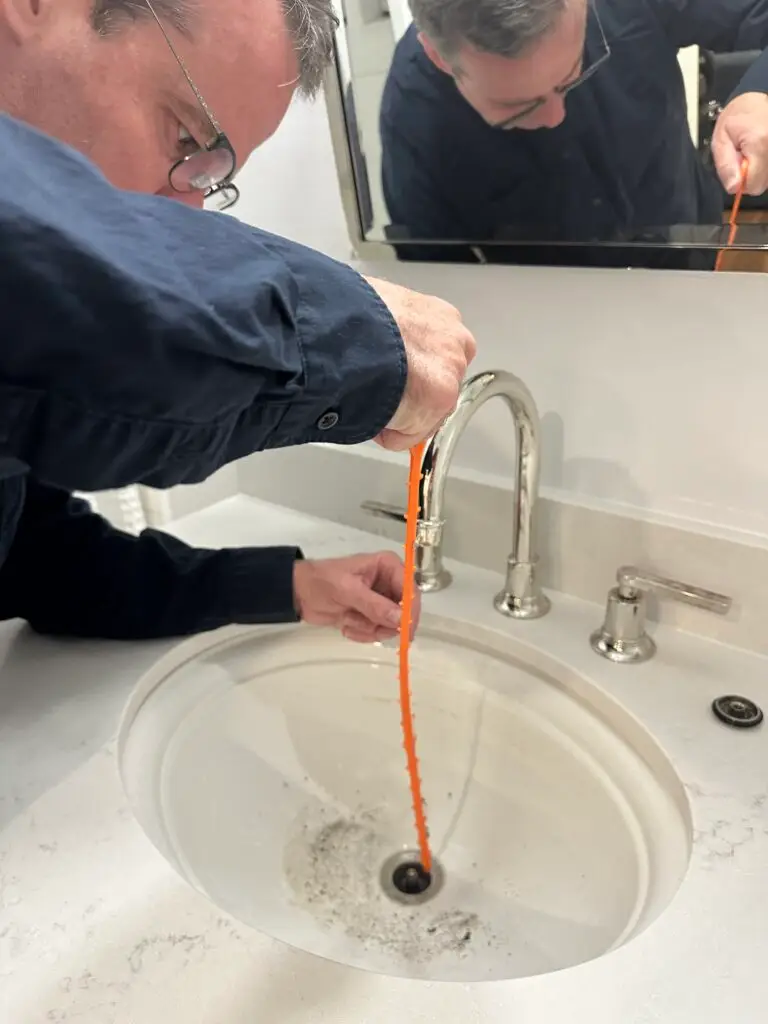
This simple orange tool is perfect for regular cleaning. It reaches into the drain, catches hair, and pulls it up without harsh chemicals.
Removing hair safely from a bathroom sink using a simple plastic drain tool.
In this photo, I’m carefully feeding the strip into the drain. I always work slowly to avoid scratching the porcelain and to prevent pushing the blockage deeper.
Why This Should Be Part of Routine Maintenance
• Hair builds up quietly • Blockages get worse gradually, then suddenly • You often don’t notice it until you’re expecting guests • Regular clearing keeps everything flowing smoothly • It’s quick, clean, and doesn’t require chemicals
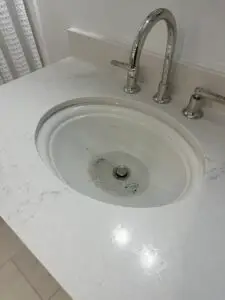
After removing the debris, I always flush the drain thoroughly and wipe down the surrounding area.
Bathroom sink before cleaning with hair buildup below the stopper.
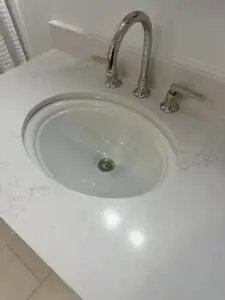
And here is what it looks like afterward:
Bathroom sink after routine drain cleaning and flushing.
A Small Add-On: When the Clog Sits a Bit Deeper
Most of the time, the orange strip handles everything. But occasionally, the hair buildup sits just a little deeper than the strip can reach.
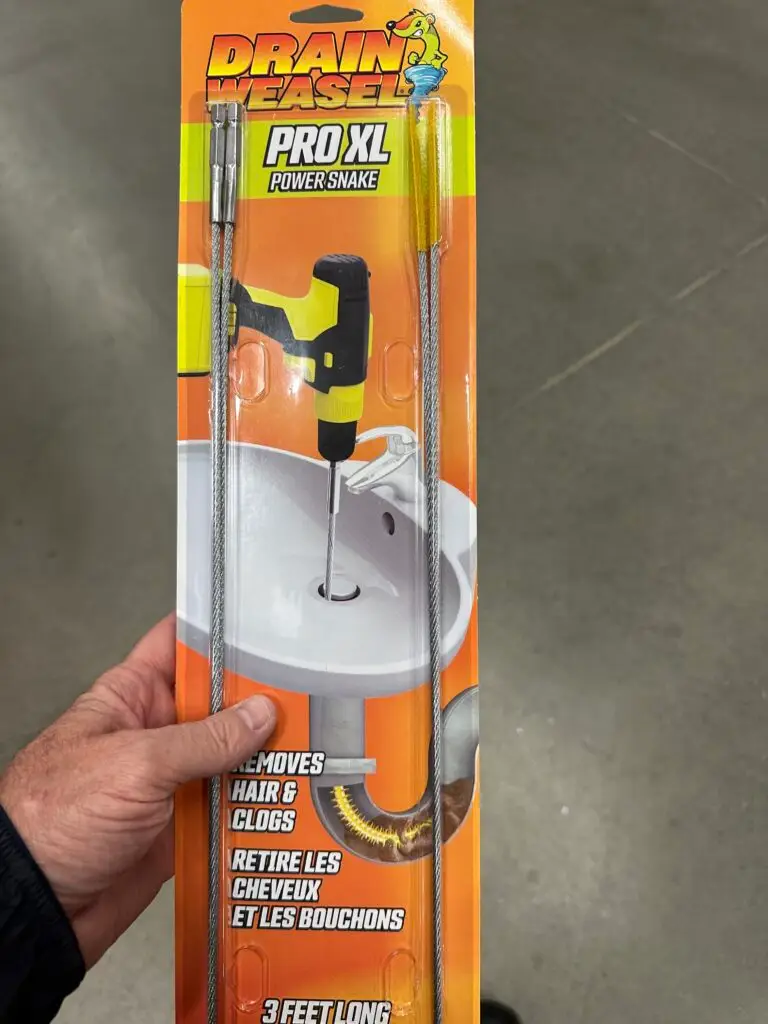
That’s when I use a light, bathroom-safe tool like the Drain Weasel Pro XL. It’s designed to go a bit further into the pipe: still gentle, still meant for hair, and still far from the heavy-duty auger I use in kitchen drains.
A light bathroom tool used for deeper hair clogs when routine cleaning isn’t quite enough.
It’s simply the “next step” for stubborn bathroom clogs that are still well within normal, everyday maintenance.
Kitchen Drains: When Everyday Use Builds Up
Kitchen sinks are different. They handle grease, oils, dish residue, and small particles. Even with careful use, clogs happen — especially in busy homes where meals are cooked often.
This is normal. Cooking at home means using the sink, and using the sink means eventually needing a cleaning or snaking.
When a kitchen drain slows down, I use a small handheld drain auger. It’s safe for most kitchen plumbing and avoids harsher measures.
Using a Powered Hand Snake for Moderate Clogs
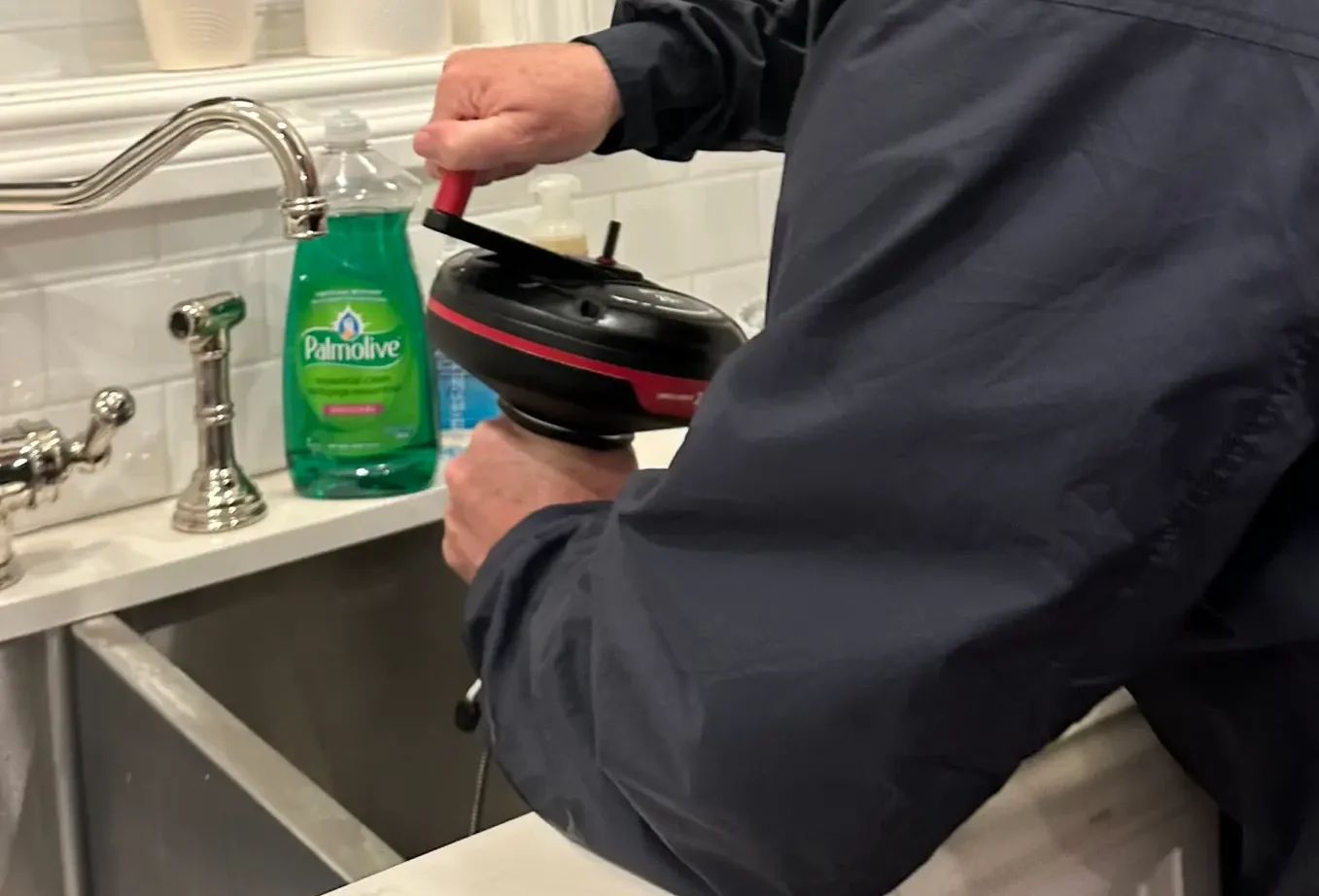
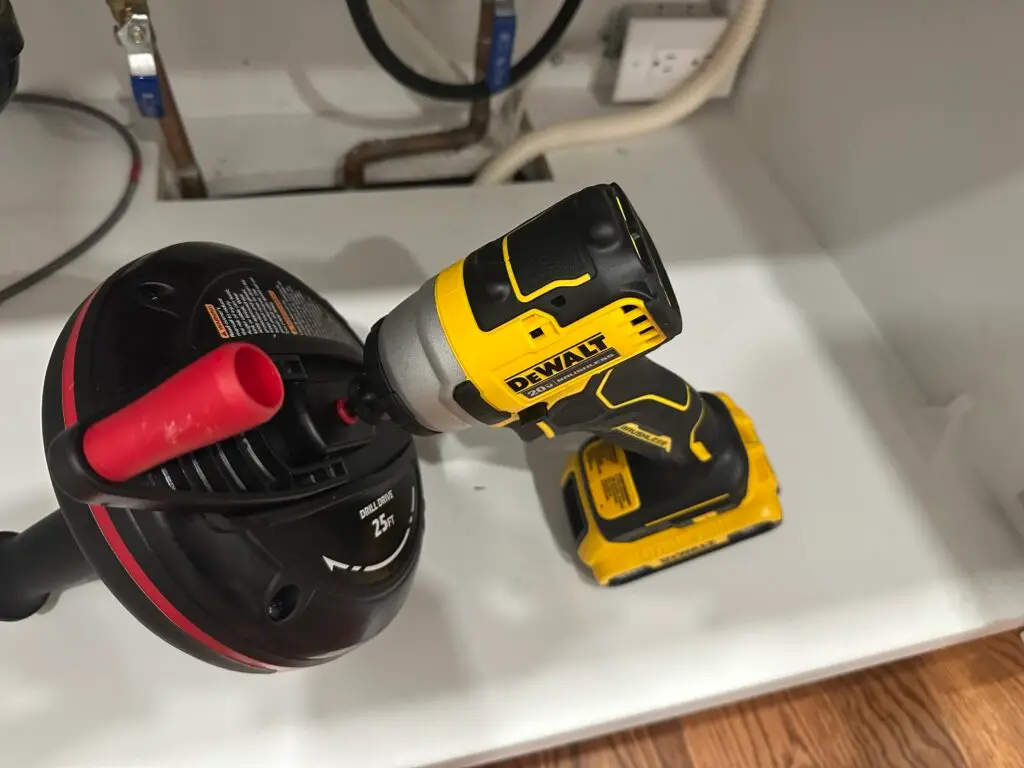
Here’s a close-up of the tool I use: a compact 25-foot sink auger connected to a DeWalt drill for steady, controlled rotation.
Handheld drain auger connected to a drill for safe, controlled snaking.
This allows me to ease the cable through the drain, past the P-trap, and into the pipe where buildup usually forms.
Careful Technique Under the Sink
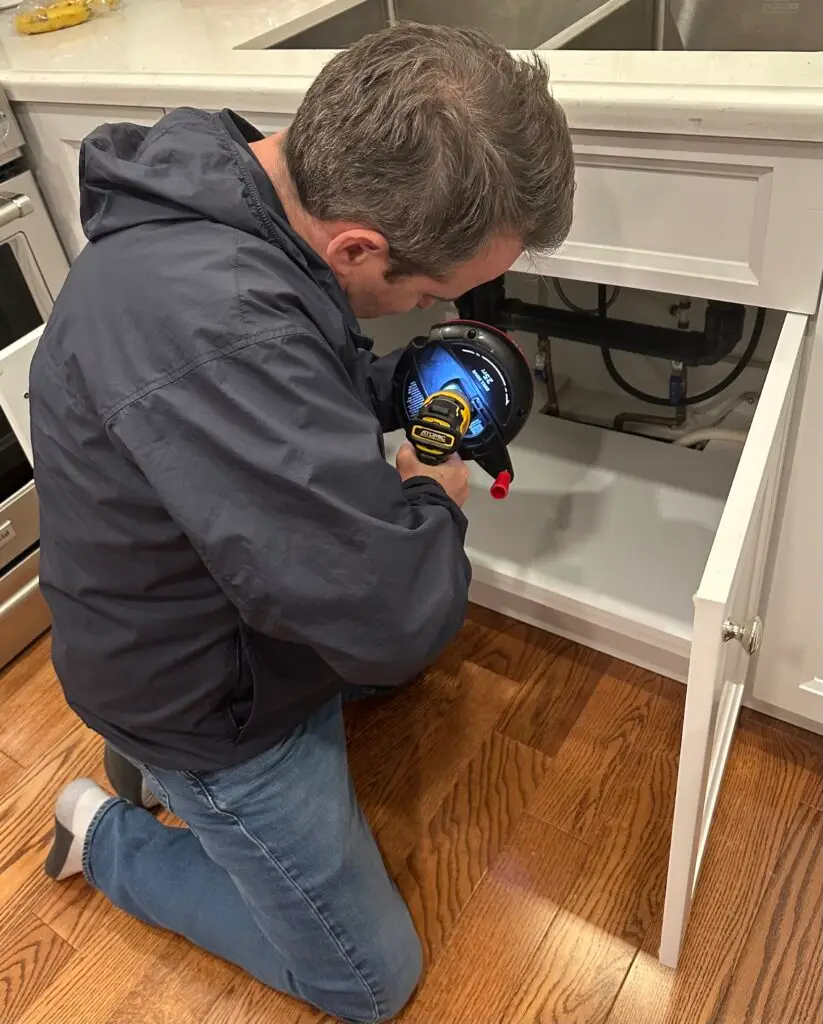
In this photo, you can see me feeding the auger into the pipe beneath the sink. I take my time, because too much force can cause the cable to kink or scratch the inside of the pipe.
Feeding the auger under the sink to reach deeper kitchen clogs.
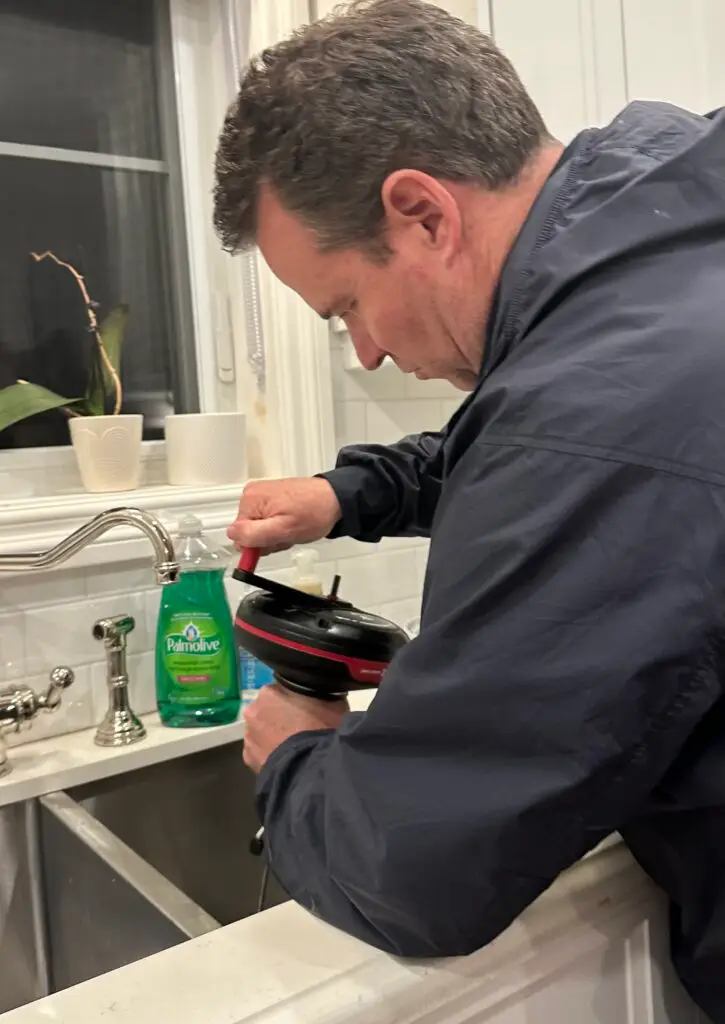
And here’s the view from above while working at the sink:
Snaking a kitchen drain from the sink opening to break up grease and residue.
Precautions I Always Take
• I keep speed low to avoid damaging the pipe • I protect the sink surface from the cable • I avoid chemicals that can react with metal • I test flow after clearing the blockage • I always rinse the line thoroughly
This kitchen procedure is more of an intervention than a routine task. It’s what I do when a blockage has already formed.
Why Preventative Drain Care Matters
Slow drains start gradually, then become a problem all at once. The benefits of regular maintenance include:
• Avoiding surprises before guests visit • Preventing water backups • Reducing odours • Extending the life of your plumbing • Avoiding emergency calls • Keeping bathrooms and kitchens feeling fresh
If you’d rather not deal with slow drains, hair buildup, or hidden clogs — that’s exactly what Good Company is here for.
We offer:
• One-time drain clearing • Preventative care during routine visits • Kitchen and bathroom maintenance • Full home safety and comfort checks • Seasonal and monthly plans
Jesse Black-Allen is the founder of Good Company, a North York-based home safety and accessibility specialist serving Toronto, Vaughan, and Richmond Hill. He helps families and homeowners improve safety, functionality, and peace of mind through practical home assessments and professional handyman support.
Stay Inspired – Get Our Latest Tips!
Join our newsletter for before & after ideas, handy upgrade tips, and real customer stories.