
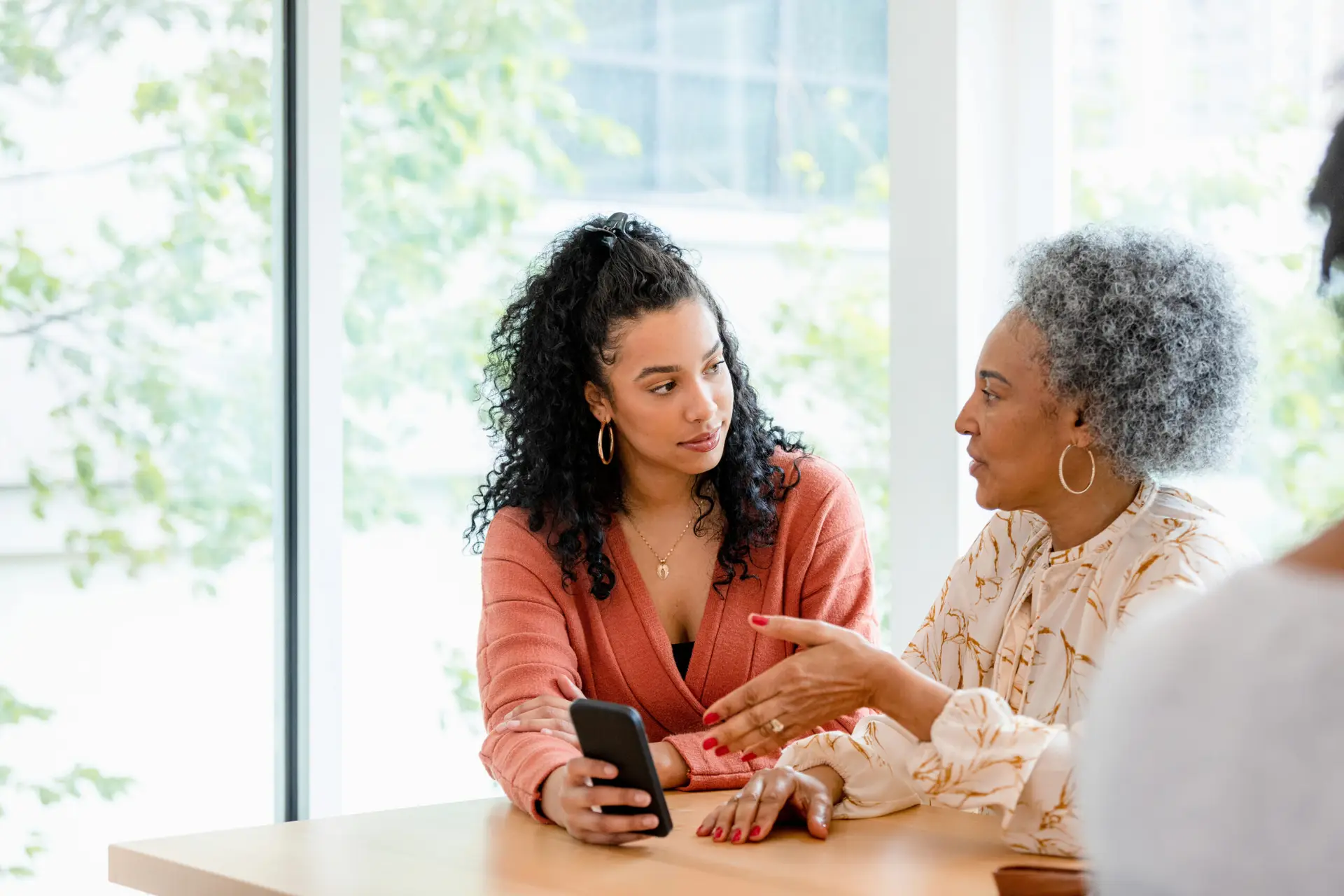
Supporting an aging parent at home is rarely a single decision. It’s a gradual realization.
You notice a missed step on the stairs. A hesitation in the bathroom. A story about “almost falling.” A house that feels the same as it always did, but somehow more fragile.
Most adult children don’t want to overreact. And most parents don’t want to feel managed.
The goal is not to take over.
The goal is to protect independence.
This guide will help you think clearly, act practically, and support your parent without creating fear or resistance.
Why Home Safety and Independence Matter
Falls are the leading cause of injury among older adults in Canada, and many occur inside the home. The Government of Canada’s Safe Living Guide for Older Adults emphasizes that everyday hazards — loose rugs, poor lighting, uneven surfaces — are common contributors to preventable injuries.
The important insight is this:
Most home risks are not dramatic.
They are small, ordinary, and easy to overlook.
And small improvements often make the biggest difference.
Starting the Conversation Without Triggering Resistance
One of the hardest parts of supporting aging parents is emotional, not practical.
No one wants to feel like they’re “declining.”
Instead of framing changes as safety corrections, try framing them as:
• Comfort upgrades
• Future-proofing
• Convenience improvements
• Smart planning
For example:
Instead of saying,
“You need grab bars because you might fall,”
Try saying,
“Let’s make the bathroom easier to use long-term.”
If you’ve read How to Make Home Modifications Feel Like Empowerment, Not Loss, you already know that tone matters as much as tools.
Safety upgrades should feel like smart design, not surrender.
Signs It May Be Time for Home Safety Changes
You don’t need a dramatic fall to justify adjustments.
Watch for:
• Slower stair navigation
• Holding onto furniture while walking
• Avoiding certain rooms
• Bathroom hesitations
• Poor nighttime visibility
• “Near misses” that get dismissed
Patterns matter more than single events.
If you’re unsure what professionals look for, you may find it helpful to read What to Expect During a Home Safety Check to understand how risks are evaluated room by room.
A Room-by-Room Safety Walkthrough
The National Institute on Aging in the United States provides practical, room-by-room fall prevention advice that aligns closely with Canadian safety principles.
Let’s walk through the home the same way.
Bathroom
Bathrooms are one of the highest-risk areas in any home.
Look for:
• Slippery surfaces
• Lack of stable support near the toilet
• No support at the tub or shower entry
• Poor lighting
Professional grab bar placement, secure wall anchoring, and proper positioning matter. Not all installations are equal.
If you want to see what that looks like in practice, Grab Bars That Actually Belong in Your Bathroom explains the difference between decorative and structurally sound solutions.
Hallways and Stairs
Look for:
• Inconsistent lighting
• Loose carpet edges
• Lack of handrails
• Visual depth issues at stair transitions
Improved lighting alone can dramatically reduce risk. Even subtle upgrades can increase confidence and stability.
You may also want to review Outdoor Lighting That Keeps Your Home Safe for ideas that apply to entryways and exterior steps.
Bedrooms
Nighttime navigation is a common fall risk.
Consider:
• Bed height
• Clear walking paths
• Motion-sensor lighting
• Accessibility of light switches
Small changes often prevent major incidents.
Entryways and Exterior Paths
The Public Health Agency of Canada emphasizes the importance of safe walkways and clear entrances in the Safe Living Guide.
Watch for:
• Ice accumulation
• Uneven paving
• Poor drainage
• Inadequate handrails
Seasonal conditions matter. Reviewing a fall or winter checklist annually can prevent surprises.
Everyday Tools That Improve Safety
Not every solution involves construction.
Simple tools can include:
• Motion-sensor lighting
• Non-slip mats
• Handheld shower heads
• Raised toilet seats
• Smart lighting timers
The CDC’s STEADI initiative offers a practical home safety checklist that families can use as a starting point.
But remember:
Checklists are helpful.
Professional assessment adds context.
When to Bring in a Professional Assessment
Sometimes families see risk but don’t know how to prioritize it.
A Good Company home safety assessment looks carefully at the home itself, identifying tripping hazards, lighting gaps, unsafe transitions, bathroom risks, and layout issues. We take a practical, big-picture view and provide clear written recommendations to make the home safer and more accessible overall. The Good Company assessor is certified as an Age Safe Canada Senior Home Safety Specialist and trained through Adaptiv Home, using structured, environment-focused assessment tools during every visit.
At the same time, we often recommend a conversation with an occupational therapist. OTs assess the individual, including mobility, strength, cognition, and how those needs may change over time. That clinical perspective complements the environmental review. For more on aging-in-place planning, see: Canadian Association of Occupational Therapists – Aging in Place.
If you’re unsure what happens during a structured evaluation, What to Expect During a Home Safety Check outlines how risks are identified and documented.
A trained, insured, and elder-aware professional can often identify subtle risks that families overlook and help you prioritize what truly matters first.
Planning for Change Over Time
Needs evolve.
A home that feels safe today may require adjustments next year.
Rather than waiting for a crisis:
• Review safety annually
• Adjust lighting and supports gradually
• Consider future mobility needs early
If you are planning longer term, Aging-in-Place: A Complete Planning Guide provides a broader framework that goes beyond immediate safety fixes.
Funding and Tax Credits in Ontario
Safety modifications may qualify for financial support.
If you are supporting a parent in Ontario, you may find Tax Credits and Funding for Home Safety and Access Upgrades in Ontario helpful as a starting point.
Planning ahead often reduces financial stress later.
A Practical Next-Step Checklist for Families
If you are feeling overwhelmed, simplify the process.
Start with:
- Walk through the home slowly and observe patterns.
- Have a calm conversation focused on comfort and independence.
- Address the highest-risk area first, usually the bathroom.
- Improve lighting in transitional spaces.
- Book a structured safety check if concerns persist.
Small changes compound.
Final Thoughts
Supporting aging parents at home is not about control. It is about partnership.
Safety does not eliminate independence.
It protects it.
Most falls are preventable.
Most homes can be adapted.
Most conversations can be handled with care.
And the earlier you start, the easier it becomes.
If you would like guidance specific to your home, you can schedule a Home Safety Assessment and take the first step with clarity and confidence.
Need Help at Home?
GGood Company provides home safety assessments, safety and accessibility upgrades, repairs, and ongoing maintenance for older adults and busy families.
Based in North York, we serve Toronto, Vaughan, and Richmond Hill.
Call or text 416-894-1137
https://goodcompanyhome.com/contact/
Reliable help at home, trusted by families and care partners.
About the Author
Jesse Black-Allen is the founder of Good Company, a North York-based home safety and accessibility specialist serving Toronto, Vaughan, and Richmond Hill. He helps families and homeowners improve safety, functionality, and peace of mind through practical home assessments and professional handyman support.