




Jesse Black-Allen

Practical expertise in accessibility, home safety and home modification.

Based in North York and serving Toronto and surrounding communities, I’m the founder of Good Company. I combine hands-on accessibility and renovation work with professional training, research and writing focused on making homes safer, more accessible and easier to live in.
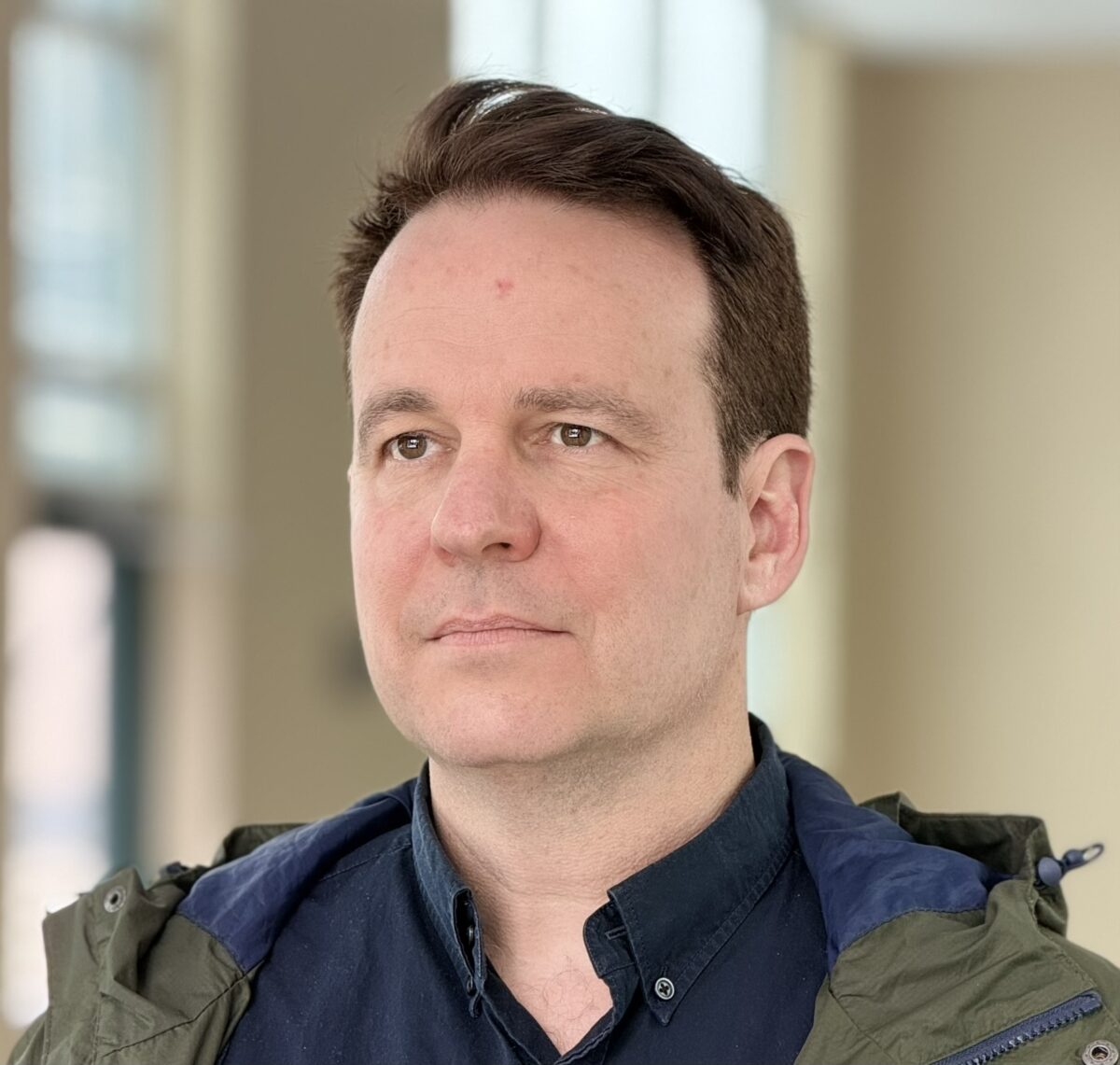
Jesse Black-Allen, Toronto home safety and accessibility specialist and founder of Good Company

Accessibility and Home Modification Expertise

Jesse Black-Allen is the founder of Good Company, a Toronto accessibility renovation and home modification company.

My work includes focused safety improvements such as grab bars, handrails, railings and home safety equipment, as well as larger accessibility projects involving bathrooms, entrances, ramps and other parts of the home.

I work directly with homeowners, families, caregivers, occupational therapists and other health professionals to turn identified needs and recommendations into practical modifications that work in the real home.

Good Company is a City of Toronto licensed Building Renovator and a RenoMark verified renovator.

Start a Conversation

Or Call

416-894-1137

Credentials, Affiliations & Professional Recognition


Why I Started Good Company

Good Company grew out of both personal experience and a longstanding interest in accessibility.

I had watched people close to me navigate disability, aging, illness and changes in mobility, and I saw how much the physical environment could either support independence or make everyday life harder.

Sometimes the difference was surprisingly small: a secure handrail, a better placed grab bar, improved lighting or a bathroom that was easier to use. Other situations required more substantial changes. What struck me was how difficult it could be to find someone who could understand the broader situation, solve the practical problem and carry out the work carefully.

Before starting Good Company, I spent many years in teaching, academic leadership and research at Seneca Polytechnic. I also completed an MA at OISE, University of Toronto, where some of my research examined accessibility, accommodations and barriers affecting students with disabilities. The setting was education rather than the built environment, but the underlying questions were closely related: how environments and systems can create barriers, and how thoughtful changes can help people participate more fully.

That perspective now informs the way I approach homes. A modification should not simply be installed correctly. It should respond to the person, the space and the way the home is actually used.

Good Company became a way to bring that longstanding interest in accessibility together with practical, hands-on work that can make an immediate difference in everyday life.

What My Work Looks Like Today

A large part of my work involves focused accessibility improvements such as grab bars, handrails, railings, home safety equipment, bathtub modifications, and other changes that improve safety and mobility at home.

I also take on larger accessibility and renovation projects, including bathroom modifications, safer entrances, ramps, walk-in showers and other changes designed to make homes easier and safer to use.

The right solution depends on the person, the home and the problem. Sometimes a single well planned installation is enough. In other cases, a larger modification or renovation makes more sense.

Some projects can be completed directly by Good Company. Others require licensed trades or specialized contractors, in which case I can coordinate the appropriate professionals and remain involved in the project.

Working With Health Professionals

A growing part of my work involves recommendations from occupational therapists, physiotherapists, rehabilitation teams and other health professionals.

My role is not to provide clinical assessment. It is to help turn recommendations into practical changes in the home.

That means looking at the actual site conditions, including wall construction, fastening options, dimensions, clearances, finishes and other details that affect how a recommendation can be implemented safely and effectively.

Sometimes the work is straightforward, such as installing a grab bar or second handrail in a recommended location. Other projects involve more substantial changes to a bathroom, entrance, ramp or another part of the home.

I am happy to work directly with homeowners and families or collaboratively with the health professional involved.


How I Work

I like to understand the problem before deciding on the solution.

That means looking at how the person actually uses the space, but also at the practical details that determine whether a proposed modification will work: wall construction, framing, fastening options, clearances, transitions, existing finishes and the condition of the surrounding structure.

I explain the available options clearly and try to keep the solution proportionate to the problem.

Sometimes that means a straightforward installation. Sometimes it means changing the original plan. Sometimes it means involving an occupational therapist, licensed trade or another specialist.

I complete many installations myself and remain closely involved when a project requires other trades.

The priorities are the same either way: appropriate methods, careful workmanship, clear communication and a finished result that makes sense in the home.


Who I Work With

My clients include older adults, people living with disabilities or changing mobility, people returning home after illness, injury or rehabilitation, and homeowners who want to make their homes safer and easier to use over time.

I also work with adult children and caregivers who are helping arrange modifications for a parent or other family member.

Health professionals can involve Good Company when a client needs practical implementation of recommendations in the home, from focused installations such as grab bars and handrails to more substantial accessibility renovations.

The common thread is simple: the home needs to work better for the person living in it.

Let’s Talk About the Home

You do not need to know exactly what the solution is before getting in touch.

Send me a description of the issue, photos if you have them, or a recommendation from your occupational therapist or other health professional. I can help determine the most practical next step.