
At some point, many families face the same situation.
Someone is coming home from the hospital, and the home needs to be ready.
There’s often not much time. The instructions are partial. The responsibility usually falls on a spouse, adult child, or friend who is trying to make the right decisions about safety equipment without being completely sure what “right” looks like.
The goal is simple: make the home safe.
The challenge is knowing what actually helps.
The First 48 Hours Matter More Than Most People Expect
The first couple of days at home are often the most uncertain.
- movement is slower and less predictable
- confidence is low
- routines are not yet established
- small obstacles feel bigger than they should
This is when safety equipment makes the biggest difference.
Not as a long-term solution necessarily, but as a way to stabilize things while someone regains strength, balance, and familiarity with their space again.
Key Safety Equipment to Consider
Most setups don’t require permanent changes. In many cases, a few well-chosen items, properly installed, can make a significant difference.
Bathroom
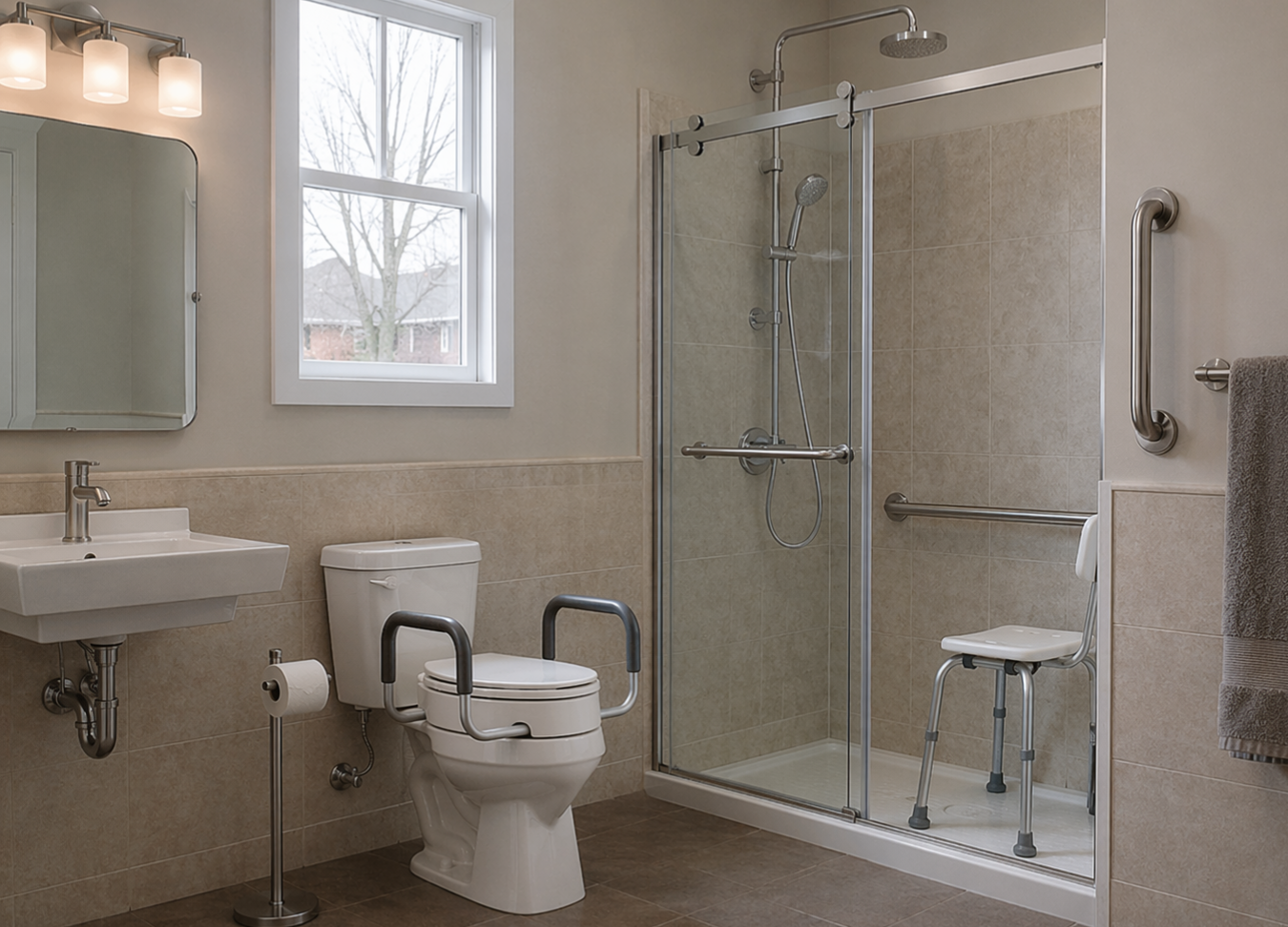
- transfer bench or bath chair
- raised toilet seat or toilet safety frame
- non-slip surfaces and stable footing
- accessible placement of toiletries
Bedroom
- bed rail or assist rail
- clear path to the bathroom
- reachable lighting
- stable surfaces for sitting and standing
Living areas and transitions
- floor-to-ceiling support poles
- clear walking paths
- removal of loose rugs or obstacles
- support near frequently used seating
What matters most is not just having the equipment, but how it’s set up.
If you want help with delivery and proper setup, you can learn more here:
https://goodcompanyhome.com/home-safety-equipment-installation-toronto/
Common Mistakes When Setting Up Safety Equipment
This is where things often go wrong.
Most issues are not about the product itself, but the setup.
- a transfer bench that isn’t level or shifts under weight
- a bed rail placed too far forward or too far back
- a support pole that isn’t properly tensioned
- equipment installed without considering how the person actually moves
These small details can turn something helpful into something risky.
Proper positioning and stability matter more than most people expect.
When an Occupational Therapist Is Involved
In some cases, an occupational therapist (OT) will recommend specific equipment or placement.
This is especially helpful when:
- mobility challenges are more complex
- transfers require specific techniques
- there are multiple risk factors in the home
If you have an OT recommendation, it’s worth following it closely.
If you don’t, practical experience and following manufacturer guidelines go a long way. At the same time, it’s often worth strongly considering an OT assessment, especially if the situation is unclear or higher risk.
We can also provide referrals to private occupational therapists.
Making Decisions on Behalf of Someone Else
Often, the person setting up the home is not the person using it.
That adds another layer of uncertainty.
You may be asking:
- Is this the right equipment?
- Will they be comfortable using it?
- Am I overdoing it or missing something important?
The best approach is to focus on:
- stability
- simplicity
- ease of use
Start with what makes movement safer right now. Adjust later if needed.
It doesn’t have to be perfect on day one. It just has to be safe.
If you’re unsure, starting with a structured review can help:
https://goodcompanyhome.com/home-safety-assessments/
Funding and Support Programs
Some safety equipment may be partially covered depending on the situation.
In Ontario, programs like ODSP or other assistance programs may help cover equipment costs when there is a documented need.
In addition, some workplace benefits or private insurance plans may provide partial coverage for medically necessary equipment, especially when supported by documentation from a healthcare provider or occupational therapist.
Coverage varies, and it’s usually tied to:
- medical documentation
- recommended equipment
- approved suppliers
If an occupational therapist is involved, their assessment and recommendations can sometimes support funding applications or reimbursement.
If you’re navigating funding, it’s worth understanding how programs like ADP and ODSP work together.
https://www.ontario.ca/page/assistive-devices-program
https://www.ontario.ca/document/ontario-disability-support-program-policy-directives-income-support/96-assistive-devices
https://www.ontario.ca/page/home-and-vehicle-modification-program
If funding is a possibility, it’s worth asking early so you can choose equipment accordingly.
Choosing the Right Supplier
Where you get the equipment matters.
Working with a knowledgeable supplier can make the process much easier.
We often recommend Starkman’s in Toronto. They carry a wide range of safety equipment and are experienced in helping people choose the right options for their situation.
Even if you’re not exactly sure what you need, it’s worth speaking with them. A short conversation can often clarify things quickly.
Once you have the equipment, the next step is making sure it’s set up properly at home.
A Practical Approach
You don’t need to solve everything at once.
Focus on:
- the bathroom
- getting in and out of bed
- safe movement between key areas
Those three things cover most of what matters in the early days.
From there, you can adjust as needed.
For ongoing support beyond the initial setup, some families also find it helpful to have regular help around the home:
https://goodcompanyhome.com/maintenance-plans/
If You Want Help Getting It Set Up
Getting the right safety equipment is one step.
Setting it up properly is the other.
If you want help with delivery, assembly, and safe positioning, we can take care of that and make sure everything is ready to use from day one.
Learn more or get in touch:
https://goodcompanyhome.com/home-safety-equipment-installation-toronto/
About the Author
Jesse Black-Allen is the founder of Good Company, a Toronto-based home services business focused on practical, reliable help around the home, including safety equipment installation, maintenance, and small renovations.
If you’re preparing a home for recovery or supporting a loved one, Jesse is always open to a conversation.