
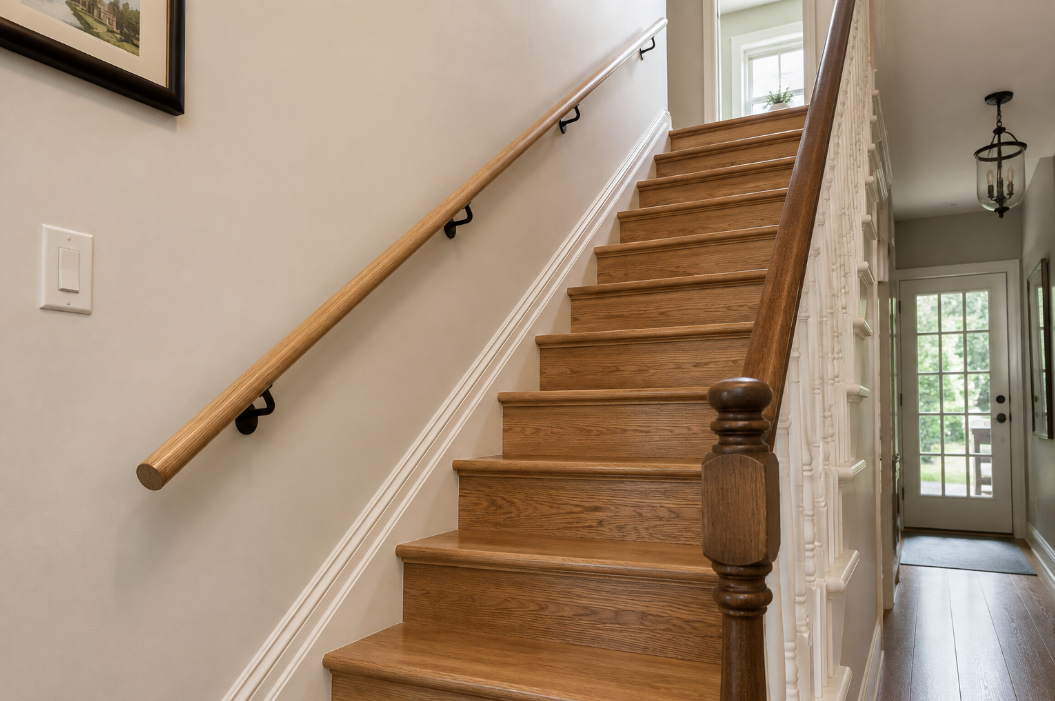
Many Toronto homes already have a banister or guard on one side of the staircase and a wall on the other. Adding a wall mounted handrail can provide useful support on both sides without rebuilding the existing railing system.
Second handrails are especially common when someone is returning home after a fall, surgery, hospital stay or rehabilitation, but they can also be a practical improvement for anyone who wants more confidence on the stairs.
We look at the full staircase, including where the existing rail starts and stops, usable stair width, wall construction, landings and how the new handrail will fit with the home.
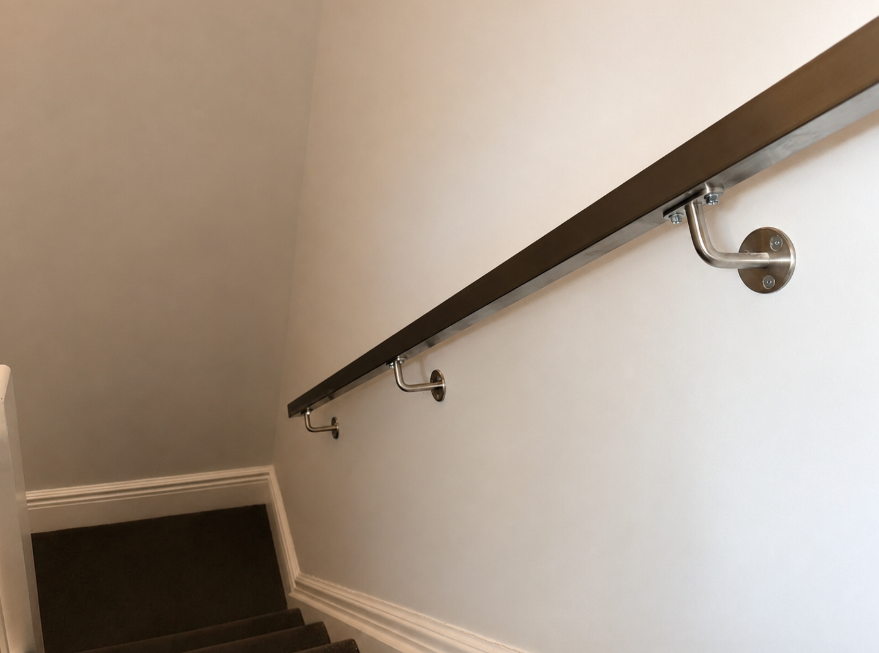
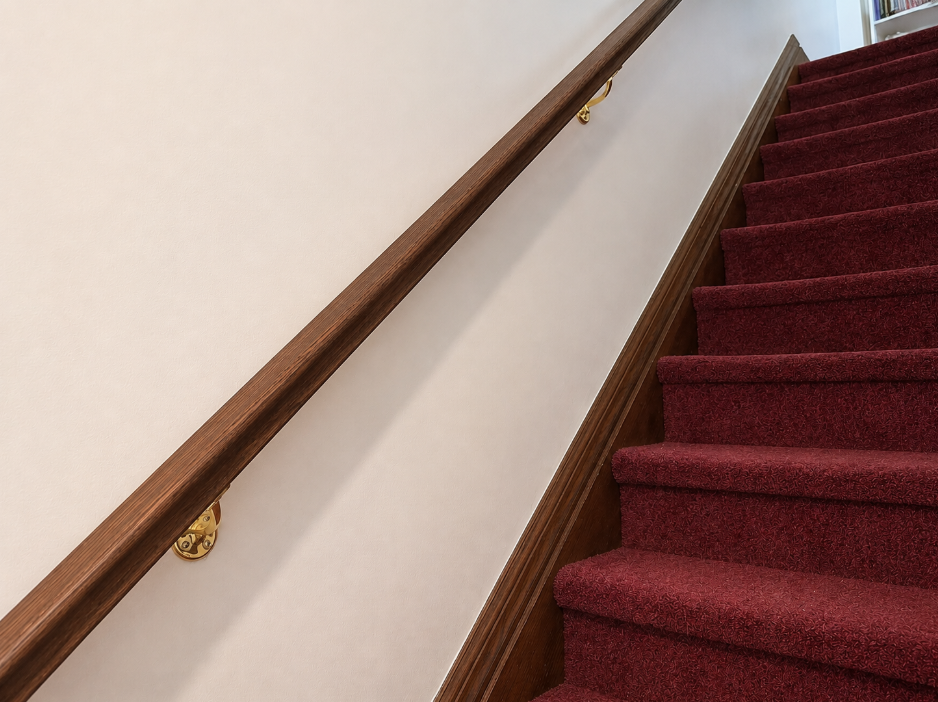
Handrails are often recommended when someone is returning home after a fall, surgery or rehabilitation. We can work from an OT, physiotherapist or rehab recommendation and focus on getting the right support securely installed.
If discharge is approaching, contact us early. Photos can often help us start planning before the first visit.
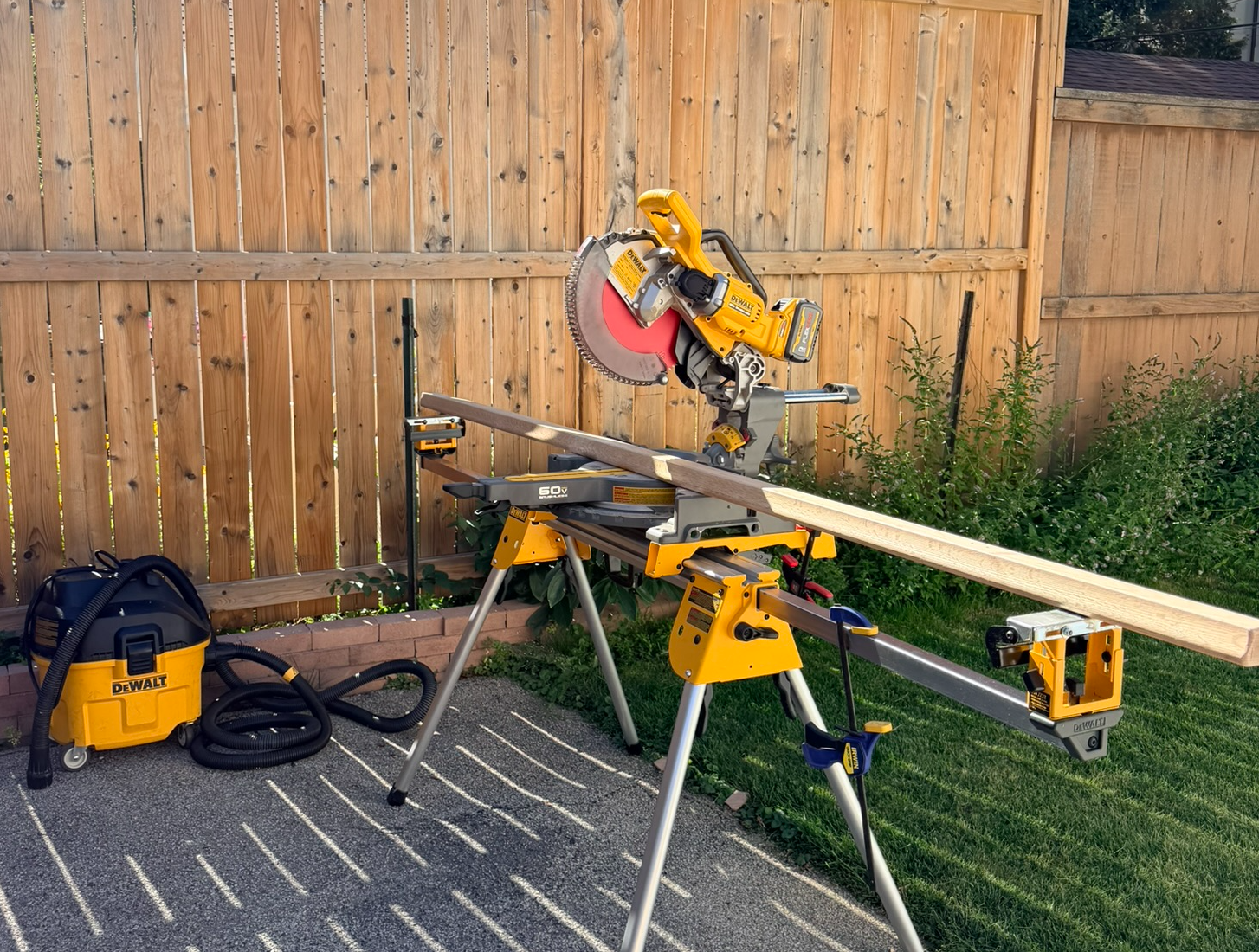
Many clients need a handrail quickly, especially when someone is returning home from hospital or rehabilitation. We keep projects focused and efficient, and wherever practical, cutting and preparation are done outside so the home stays clean and usable.
Straightforward handrails can often be completed in one visit. When additional visits are needed, we plan the work to minimize disruption and avoid leaving unfinished work or equipment in the way.
Yes. Adding a wall mounted handrail opposite an existing banister is a common project, especially when someone wants support available on both sides of the stairs.
Usually, yes. We can often match or closely coordinate the wood species, profile, stain, paint, metal finish and brackets so the new handrail suits the existing staircase.
Yes. If an occupational therapist, physiotherapist or other healthcare professional has recommended a handrail, we can work from that recommendation and determine the practical installation approach in the home.
Often, yes. These requests sometimes come with very little notice. Sending photos of the staircase early can help us assess the project, select materials and move more quickly.
Yes. Toronto homes contain a wide range of wall construction, including drywall over wood framing, plaster and masonry. The fastening method is chosen based on the structure behind the finished wall.
Often, yes, where the layout allows it. A longer rail or horizontal continuation can provide support through the transition at the top or bottom of the staircase.
Yes. We supply the rail, brackets and fastening hardware, with options chosen according to the home, the existing staircase, timing and the level of finish the homeowner wants.
A straightforward handrail can often be installed in one visit. More complicated projects may require an initial assessment followed by installation once the appropriate rail and hardware have been sourced.
The cost depends on factors such as the length of the rail, material, number of brackets, wall construction, turns or landings, and whether an existing handrail needs to be repaired or removed. Photos are often enough to provide an initial sense of the scope.
The most useful photos show the entire staircase from the bottom and top, the existing railing or banister, the opposite wall, both landings, and any turns, doors or unusual obstructions.
Yes. We install a range of handrail materials, including oak, maple, pine and other common wood species, as well as aluminum and brushed stainless steel. The best choice depends on the existing staircase, the look of the home, durability needs, timing and budget. We can often match or closely coordinate a new handrail with the materials and finishes already in the home.
In most cases, yes. Even in older Toronto homes with relatively narrow stairs, a second wall mounted handrail can usually be added with careful attention to usable stair width, handrail profile, bracket projection, doors, turns and other obstructions.
A loose handrail should be assessed before relying on it for support. Depending on the cause, we may be able to reinforce the existing installation or recommend replacing brackets, fasteners or the rail itself.
If a handrail ends before the top or bottom of the stairs, or does not provide useful support through a landing transition, we can look at extending it or replacing it with a longer continuous rail. In many cases, replacement is simpler and more reliable than trying to splice onto an older profile.
Good Company provides handrail installation in Toronto, North York, Etobicoke, Vaughan and Richmond Hill.