
A Practical Guide to Recurring Home Maintenance, Aging in Place, and Smarter Property Care
Most serious home problems do not begin as emergencies.
They begin as small shifts. A railing that loosens slightly. A bathroom light that dims. A threshold that becomes uneven after winter. Caulking that dries and cracks. A slow drain that never quite clears.
In Toronto, where homes endure freeze–thaw cycles, aging infrastructure, and busy households, proactive home maintenance is not about dramatic renovations. It is about steady attention.
This guide explains how structured, recurring home maintenance in Toronto supports:
• Aging in place
• Busy professionals and families
• Long-term property protection
• Calm, informed decision-making
No guarantees. No pressure. Just practical strategy.
What Proactive Home Maintenance Actually Means
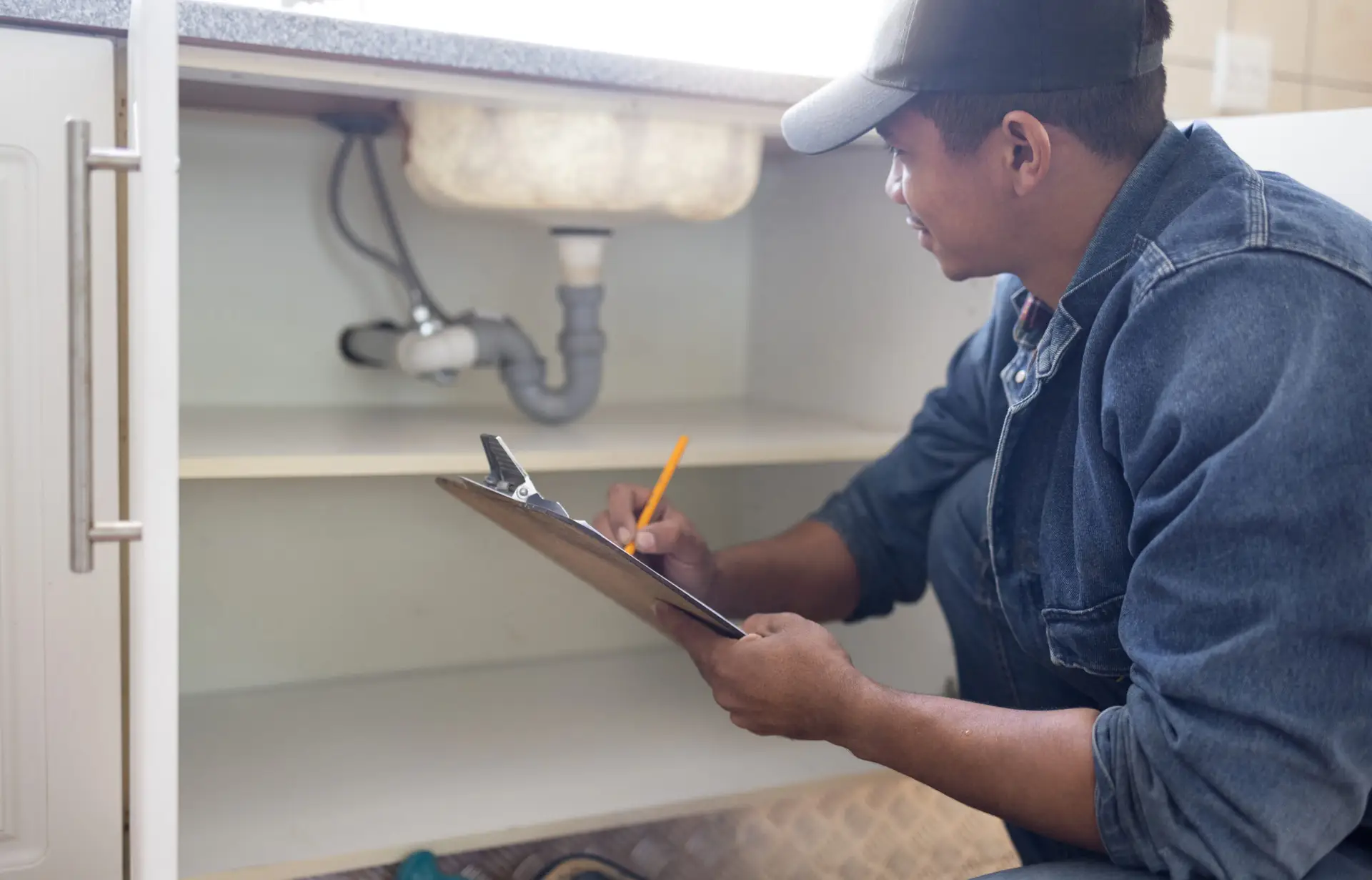
Home maintenance is not random handyman work. It is structured oversight.
It means:
• Regular review of high-risk areas
• Small repairs completed consistently
• Seasonal adjustments handled on time
• Early identification of developing concerns
• Clear prioritization of what matters now and what can wait
If you are new to the concept, start with our overview of Maintenance Plans to see how recurring visits are structured.
Unlike one-off service calls, recurring home maintenance builds familiarity with the property over time.
Why Toronto Homes Need Structured Recurring Maintenance
Toronto homes experience:
• Freeze–thaw movement
• Snow and ice accumulation
• Heavy spring rain
• Dry winter air
• Aging plumbing and electrical systems
Small issues compound quietly.
Our post on When a Downspout Freezes shows how minor exterior issues escalate.
Why Most Winter Falls Happen at Home highlights seasonal interior risks.
The Four Seasons of Cleaning explains why maintenance should follow the calendar, not convenience.
Recurring visits create rhythm instead of reaction.
Establishing a Baseline: Why a Home Safety Assessment Matters
Before recurring maintenance begins, it helps to understand the home as it currently stands.
A Home Safety Assessment provides a structured overview of:
• Entryways and exterior transitions
• Lighting and visibility
• Stair and railing stability
• Bathroom supports and slip risks
• Trip hazards and thresholds
• Mechanical safety basics
This is not a sales tool. It is a baseline.
It clarifies:
• What is functioning well
• What should be adjusted
• What should be monitored
• What does not require action
You can also read What to Expect During a Home Safety Check for more detail.
A baseline allows future maintenance decisions to be realistic and informed.
Aging in Place Starts with Maintenance, Not Renovation
When families think about aging in place in Toronto, they often imagine large renovations.
In reality, aging safely at home most often begins with:
• Secure railings
• Strategic lighting
• Stable thresholds
• Grab bars in appropriate locations
• Clear pathways
• Ongoing inspection
Our guide on Aging in Place: A Complete Planning Guide explores the broader strategy.
Public health research consistently emphasizes fall prevention as a core safety priority for older adults. The Public Health Agency of Canada outlines practical environmental risk factors such as poor lighting, loose rugs, and unsafe stairs.
Maintenance keeps these risks from quietly accumulating.
It does not promise perfection. It supports stability.
Proactive Maintenance for Busy Professionals and Families
This model is not just for seniors.
Many Toronto homeowners between 30 and 60 are managing careers, children, and aging parents. Home upkeep becomes reactive simply because time is limited.
Recurring maintenance provides:
• A predictable plan
• Seasonal adjustments handled automatically
• Fewer weekend “catch-up” marathons
• One trusted contact who understands the property
If you’ve ever tried to tackle everything at once, read
How to Tackle Your Home To-Do List Without Losing Your Weekend.
Structured maintenance reduces that backlog.
What Recurring Home Maintenance Is — and Is Not
Recurring home maintenance is not an insurance policy.
It does not guarantee that roofs will never fail or appliances will never break.
Homes are systems. Larger issues can still arise.
What recurring maintenance provides is:
• Routine, necessary upkeep completed consistently
• Familiarity with your home
• Clear prioritization
• Early warnings when patterns change
• Faster response when something unexpected occurs
When a larger issue happens, the advantage is continuity. You already have someone who:
• Knows the layout
• Understands your priorities
• Can assess calmly
• Can coordinate licensed trades when needed
• Can help distinguish urgency from exaggeration
Our post on
How to Negotiate with a Contractor for a Major Job explains why informed guidance matters when costs increase.
Maintenance builds that informed position.
Common Areas Reviewed During Recurring Visits
Recurring visits typically address:
Exterior and Entry
• Walkway stability
• Rail fastening
• Drainage performance
• Exterior lighting
• Weather sealing
See also
Water Leaks When It Rains
Interior Mobility and Safety
• Stair tread condition
• Handrail integrity
• Door hardware function
• Threshold height
• Pathway clearance
Bathrooms and High-Risk Zones
• Grab bar stability
• Caulking review
• Non-slip surfaces
• Lighting visibility
Explore
Grab Bars That Actually Belong in Your Bathroom
Mechanical Basics
• Furnace filter replacement
• Ventilation
• Smoke and CO alarm checks
See
A Simple Task That Protects Your Furnace and Your Health
None of these are dramatic upgrades. They are responsible stewardship.
The Broader Context: Canada’s Aging Population
Statistics Canada reports that nearly one in five Canadians is over 65, and that proportion continues to rise.
Statistics Canada population aging data:
https://www.statcan.gc.ca/en/subjects-start/older_adults_and_population_aging
Most older adults prefer to remain in their homes as long as possible.
Remaining safely at home depends not only on medical support or renovations, but on consistent maintenance.
Bigger Jobs Are Available — But Not the Mission
We can complete larger upgrades if clients request them.
But our mission is not renovation driven sales.
Our mission is transparent support.
That means:
• Explaining what truly needs attention
• Identifying what can wait
• Respecting budget realities
• Working at a pace appropriate to the household
• Keeping the home safe, comfortable, and manageable
If you are evaluating providers, you may also want to read
How to Choose a Home Service Provider You Can Really Trust
and
How to Stay Protected
A Smarter, Calmer Way to Maintain Your Home
The best maintained homes in Toronto are not perfect.
They are simply attended to consistently.
Proactive home maintenance means:
• The routine tasks get done
• Conditions are reviewed regularly
• Small adjustments are handled early
• Decisions are informed, not rushed
• You have someone on your side
If you are considering recurring home maintenance in Toronto, begin with information. Establish a baseline. Decide what makes sense monthly, quarterly, or seasonally.
Reliable help. Right at home.
Good Company – Home Maintenance and Safety Support
Based in North York, we serve homeowners across Toronto, Vaughan, and Richmond Hill.
Call or text 416-894-1137
Email info@goodcompanyhome.com
Book a visit: https://goodcompanyhome.com/contact/
Reliable help. Right at home.
About the Author
Jesse Black-Allen is the founder of Good Company, a North York-based home safety and accessibility specialist serving Toronto, Vaughan, and Richmond Hill. He helps families and homeowners improve safety, functionality, and peace of mind through practical home assessments, home maintenance, and home improvements.