Water leaking when it rains or during snow melt is usually an exterior failure, not a plumbing issue.
You might notice:
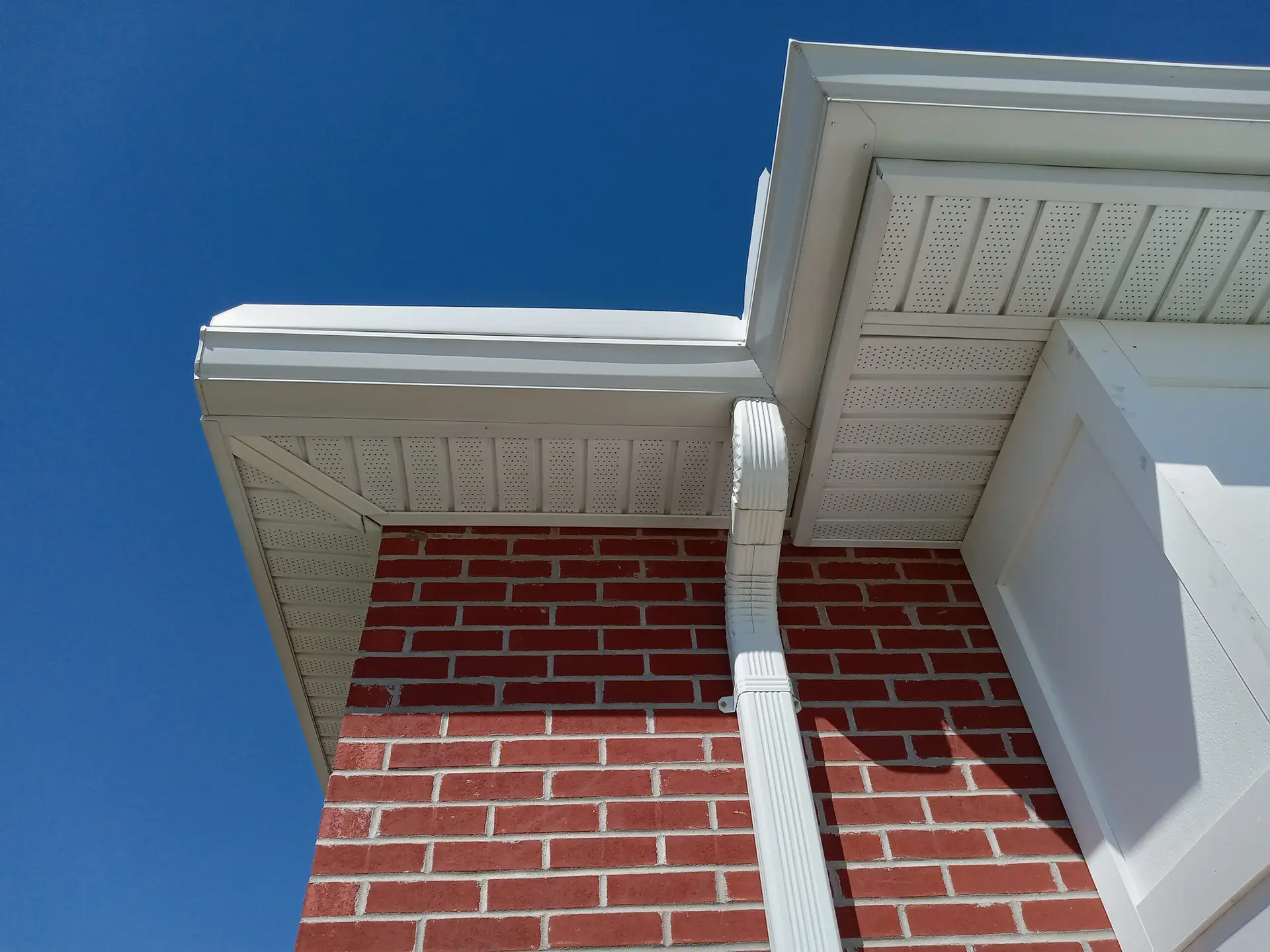
We locate and repair exterior entry points that allow rain or snow melt to get inside. This includes gutters, downspouts, flashing, soffit and fascia, roof vents, window trim, and exterior sealing details. We focus on stopping the water at the source.
We start with a focused exterior inspection to identify where water is entering. You’ll receive a clear explanation and practical repair options. A modest inspection fee applies and is credited back if you move forward with the repair.
Diagnosis, Repair, and Project Coordination
We find and repair exterior entry points including gutters, flashing, vents, soffit and fascia. If the issue turns out to involve plumbing such as a sump pump, foundation repairs, or a full roof replacement, we’ll explain what’s needed and help coordinate the right trade so the problem is handled properly.
Beyond fixing active leaks, we can improve how water moves around your home. This may include re-pitching gutters, extending downspouts, resealing exterior joints, or replacing aging sections with seamless aluminum runs designed to move water away properly.
Active leaks and water stains raise concerns during inspections. We help homeowners address visible issues clearly and properly so you can move forward with confidence.
Recurring water entry problems often stem from neglected gutters, failed flashing, or roof detail issues. We handle exterior leak repairs efficiently to protect the property and reduce ongoing maintenance calls.
When water shows up inside during heavy rain or snowmelt, the problem is rarely “too much rain.” It’s usually a weakness somewhere in the building envelope.
In Toronto-area homes, common causes include:
Clogged or undersized gutters that overflow during storms
Ice dams that push melting snow beneath shingles
Failed flashing around chimneys, vents, or roof transitions
Cracked or poorly sealed window and door trim
Aging soffit and fascia details
Downspouts that discharge too close to the foundation
Water follows gravity and the path of least resistance. It can travel several feet from the actual entry point before appearing as a ceiling stain or wall leak. That’s why patching interior drywall or adding caulking where water appears often does not solve the real issue.
Temporary fixes may hide symptoms, but weather-related leaks are typically about drainage, flashing transitions, and how water moves around the structure. Addressing the source prevents recurring damage, mold concerns, and long-term deterioration.
Based in North York, we serve homeowners throughout Toronto, Vaughan, and Richmond Hill. We understand the freeze-thaw cycles, ice buildup, and heavy seasonal storms that affect homes in this region. Our goal is to identify the true entry point and provide practical repair options that solve the problem properly the first time.