
Most people do not notice the risks in a home until something happens. A missed step on the stairs. A slip getting out of the tub. A hallway that feels manageable in daylight but uncertain at night. These are the kinds of everyday problems that can quietly threaten independence for older adults, especially when strength, balance, vision, or confidence begin to change.
A home safety assessment helps bring those risks into focus before they turn into falls, injuries, or rushed decisions. At Good Company, our home safety assessments are designed to be practical, thorough, and grounded in how people actually live. We are not just doing a quick walkthrough. We are looking carefully at how the home supports, or fails to support, safe daily living.
What to expect as a homeowner
If you are considering a home safety assessment, it is completely normal to feel a bit uncertain about what it involves. You may be wondering whether your home will be judged, whether you will be told to make major changes, or whether the process will feel clinical or intrusive.
In practice, it is much simpler and more grounded than that.
A home safety assessment is a calm, respectful walkthrough of your home with a practical lens. We are not there to criticize or to push unnecessary upgrades. Most homes are not “unsafe” in a general sense. They simply have a few areas where small changes could reduce risk or make daily life easier.
You can expect:
- A straightforward, conversational process
- No pressure to commit to any work
- Practical observations, not alarmist conclusions
- Respect for your home, your routines, and your preferences
In many cases, homeowners leave the assessment feeling reassured. Some things are already working well. Others can be improved with relatively simple adjustments. The goal is clarity, not overwhelm.
How the assessment is guided
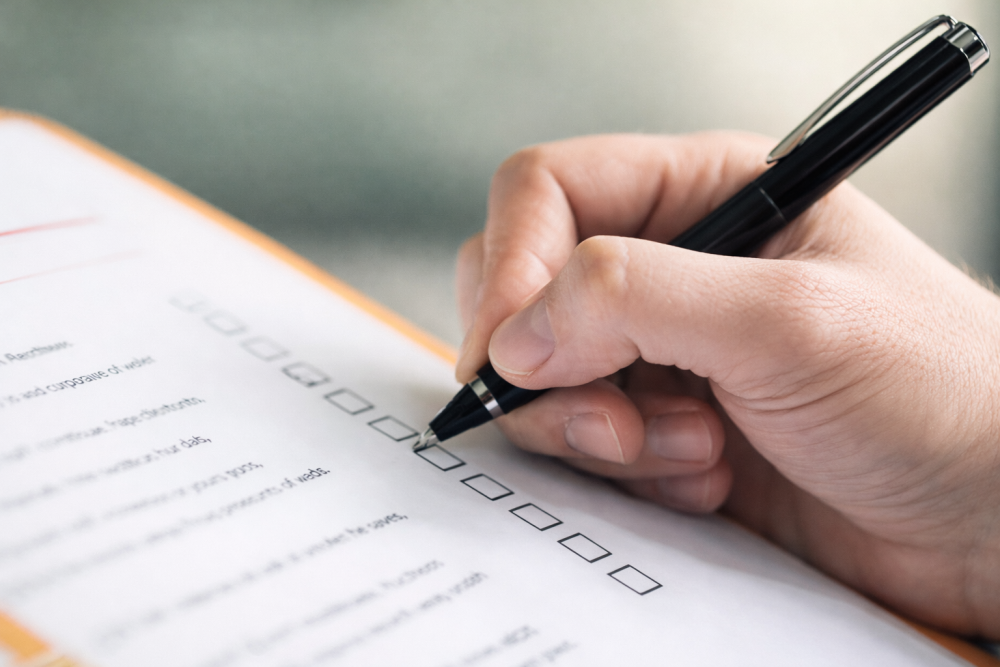
Our assessments are informed by the Senior Home Safety Specialist framework through Age Safe Canada and use a standardized checklist based on best practices in aging in place, fall prevention, and universal design. That helps us stay consistent from home to home while still paying attention to the real details that make each situation different.
Why a home safety assessment matters
Falls are not a minor issue for older adults. The Public Health Agency of Canada reports that falls remain the leading cause of injury-related hospitalizations among seniors, and that between 20% and 30% of seniors fall each year. The same report notes that 50% of falls leading to hospitalization happen in the home, which makes the home one of the most important places to assess and improve.
Seniors’ Falls in Canada: Second Report makes the case clearly: prevention matters, and a comprehensive assessment is an important starting point.
That is why this kind of assessment is valuable. It gives people a clearer picture of what is actually going on in the home. It helps separate minor concerns from meaningful risks. It also helps families avoid two common mistakes: doing nothing because they feel overwhelmed, or rushing into changes that are unnecessary, poorly prioritized, or not well suited to the person living there.
What the assessment looks at
A typical home safety assessment takes about one to two hours and follows a structured, room-by-room process. We look at the home as it is being used now, but we are also thinking ahead. A space that works today may become risky if mobility changes, recovery from illness is needed, or confidence declines.
Entryways and outdoor access
We begin with how someone gets in and out of the home. That includes walkways, driveways, steps, porches, railings, thresholds, ramps, exterior lighting, and transitions between surfaces. Uneven paving, poor lighting, missing handrails, and slippery surfaces may seem like small issues, but they can have outsized consequences, especially in bad weather or when someone is tired, carrying items, or using a mobility aid.
We also pay attention to whether the approach to the home feels stable and usable in real life, not just in theory. A front step may technically be manageable, but still feel unsafe if there is no support nearby or if the landing is awkward.
Living areas and everyday pathways
Inside the home, we look at the spaces people move through most often. That means checking for clutter, unstable furniture, cords in walking paths, loose rugs, poor furniture placement, and flooring transitions that create trip risks. We also assess whether there are clear, comfortable paths through the room and whether chairs and seating are supportive and easy to get in and out of.
The goal is not to strip the home of personality. It is to identify where layout, lighting, or small environmental details may be making daily movement harder or less safe than it needs to be.
Stairs and hallways
Stairs and hallways are high-priority areas in almost every assessment. We check whether handrails are sturdy, continuous, easy to grasp, and present where needed. We also look at tread condition, edge visibility, lighting, switch placement, and whether landings and hallways are free of clutter.
Often, these spaces have become gradually harder to use, but the change has happened so slowly that no one has stopped to look at them with fresh eyes. A home safety assessment creates that pause. It helps identify where a relatively modest change, such as better lighting or an improved handrail, could make movement through the home much safer and more confident.
Bathrooms
Bathrooms deserve special attention because they combine hard surfaces, water, bending, transfers, and often limited space. We look at the tub or shower, toilet area, sink access, flooring, lighting, and storage. We consider whether toiletries and towels are safely within reach, whether non-slip features are needed, and whether supports such as grab bars may reduce risk.
This is also an area where proper implementation matters. If a support is recommended, it is not just about having a bar on the wall. It is about having the right support in the right place, installed properly, and suited to the person using it. When more precise clinical guidance is needed, such as for complex mobility or transfer issues, we can work alongside an occupational therapist and carry out the recommended installation.
Kitchen and laundry areas
In the kitchen and laundry areas, we assess reach, visibility, access, lighting, flooring, and day-to-day usability. Frequently used items should be easy to access without unnecessary stretching, climbing, or bending. Appliances should be usable and clearly visible. Work areas should be well lit. The route to and from laundry areas also matters, especially if stairs are involved.
In some homes, the issue is not one dramatic hazard. It is repeated strain, awkward movement, or a series of small frustrations that increase risk over time. These spaces often benefit from practical, targeted changes.
Bedrooms and nighttime safety
Bedrooms are another key area because they affect nighttime safety, recovery, and independence. We look at the path from the bed to the bathroom, lighting access, flooring, bed height, reach to essential items, and whether mobility aids or a phone can be reached easily when needed.
Nighttime is when many people are at their most vulnerable. A clear route, better lighting, and a few thoughtful adjustments can make a significant difference.
General home-wide safety
We finish by looking at broader safety concerns across the home. This may include smoke and carbon monoxide alarms, emergency access, medication storage, fire extinguishers, electrical concerns, and other practical issues that affect safety and preparedness.
This part of the assessment is important because safety is rarely about one isolated hazard. It is about how all the parts of the home work together.
What you receive afterward
At the end of the assessment, you receive a written report with observations and practical recommendations. Just as important, the report helps you understand priorities. What should be addressed right away? What can wait? What is worth monitoring? What may need a specialist’s input?
That kind of prioritization is often what families need most. Many people already know their home is not perfect. What they do not know is where to begin. A good assessment turns vague concern into a clearer plan.
Some recommendations may be simple, such as improving lighting, removing a tripping hazard, or reorganizing how a space is used. Others may involve physical improvements such as railings, grab bars, or safer transitions. Good Company can carry out many of these changes directly and help ensure that the work is done thoughtfully and properly.
Why this matters for families too
For older adults, a home safety assessment can provide reassurance, dignity, and a stronger sense of control. For adult children, it can provide a clearer understanding of their parent’s living environment and a more concrete basis for decision-making.
It can also reduce the sense of uncertainty that often surrounds aging in place. Instead of waiting for a crisis, families can start with a practical review of the home and make improvements in a steadier, more thoughtful way.
Moving forward
A home safety assessment is not a one-time event that permanently solves everything. Needs change. Health changes. Homes change. What works well now may need to be revisited later.
That is why it helps to think of the assessment as a starting point. It creates a baseline. It highlights priorities. It supports better decisions. And it makes it easier to follow through with improvements over time.
At Good Company, we see this work as part of a broader commitment to safer, more functional homes in Toronto. For some clients, that leads to a few straightforward changes. For others, it becomes part of an ongoing process supported by follow-up visits, maintenance, and practical improvements over time.
Visit our service page for more information, FAQs, and next steps:
Home Safety Assessment Toronto | Free In-Home Check & Report
About the Author
Jesse Black-Allen is the founder of Good Company, a North York-based home safety and accessibility specialist serving Toronto, Vaughan, and Richmond Hill. He conducts practical, room-by-room home safety assessments that help older adults and their families understand risks, prioritize improvements, and make homes safer and easier to live in.