
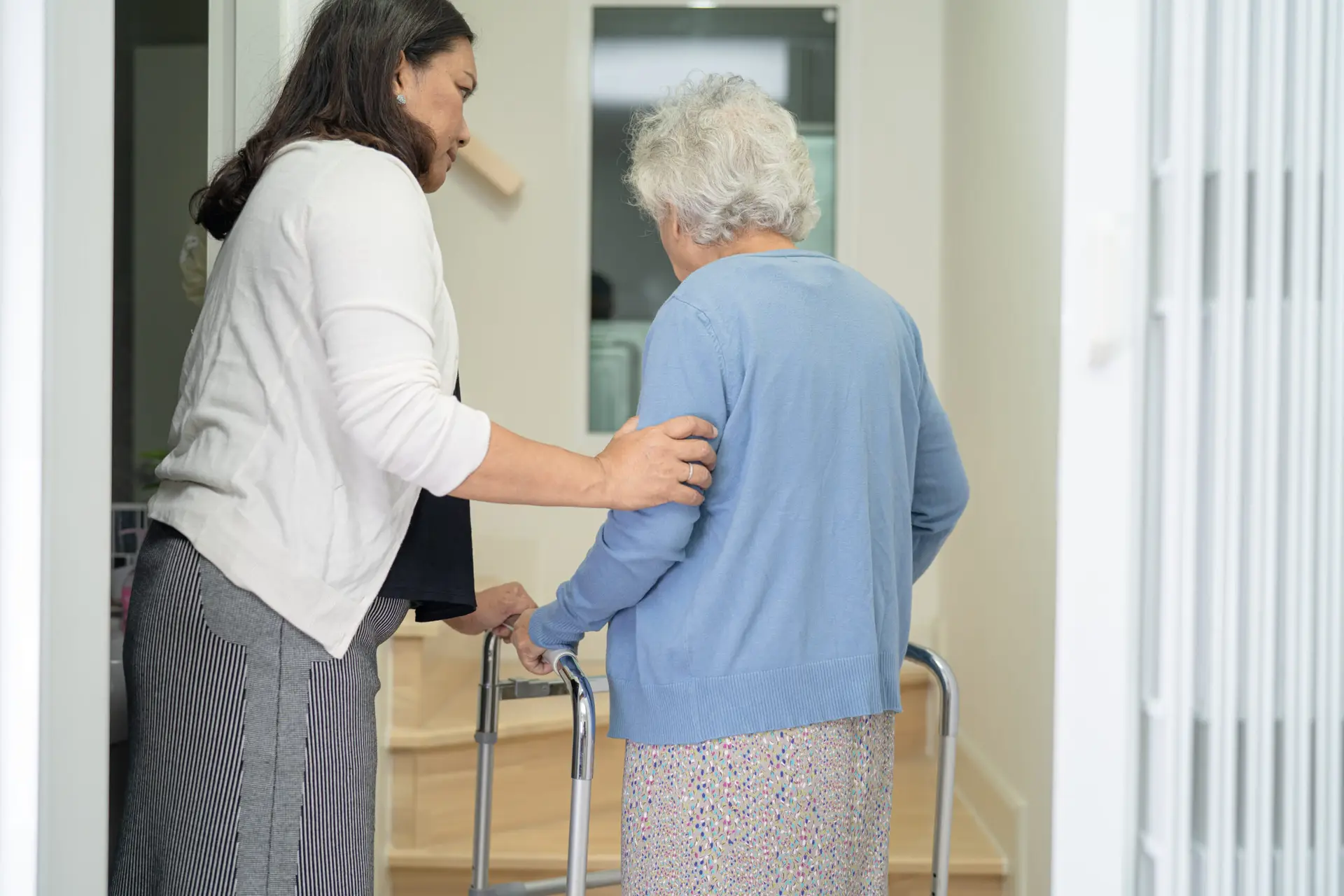
Why Most Winter Falls Happen at Home, Not Outside
When people think about winter falls, they picture icy sidewalks, snowy driveways, and bad weather outside the house.
But many serious falls happen at home.
According to the Public Health Agency of Canada, falls are the leading cause of injury-related hospitalizations among older adults in Canada, and most of these falls occur in and around the home environment.
This surprises a lot of people. Outside feels more dangerous, so we prepare. We salt. We shovel. We slow down and pay attention.
At home, we relax. That familiarity is exactly where the risk quietly appears.
If you want a structured way to look at these risks before they turn into an injury, our Home Safety Assessments walk through the home with a winter lens and identify practical fixes.
Familiar Spaces Create False Confidence
Inside the home, people move automatically. They know the layout. They have walked the same paths for years.
That familiarity lowers caution, even when conditions have changed.
Wet boots tracked inside. A mat that has shifted slightly. A hallway that feels dimmer in winter. A step that blends into the floor when lighting is low.
Canada’s Safe Living Guide for Seniors highlights common home risks such as loose rugs, poor lighting, and the need for properly secured grab bars and railings.
None of these issues feel dramatic on their own. Together, they are how many winter falls actually happen.
The Most Common Winter Fall Zones Inside a Home
Entryways
Entryways are a major risk area in winter. Snow and slush get tracked in. Floors become slick. Mats curl at the edges. Shoes and bags land where someone does not expect them.
The Canadian Centre for Occupational Health and Safety explains that wet surfaces and unsecured mats are common causes of slips and falls.
Often, simple adjustments such as securing mats, improving lighting, or clearing clutter can make a meaningful difference. These are the kinds of small but important fixes we handle regularly through our trusted handyman services in Toronto.
Garages
Garages are another overlooked danger. Lighting is often poor. Floors are cold and hard. The transition from garage to house usually involves a step, a slope, or an uneven threshold.
In winter, this transition point becomes especially risky. Improving lighting and making steps clearly visible can significantly reduce that risk.
Stairs
Stairs become riskier in winter as well. People carry coats, groceries, or recycling. Hands are full. Lighting is often inconsistent, especially at the top or bottom of the stairs.
Adding secure railings, improving visibility, or addressing uneven treads can often be handled quickly and properly in a single visit.
Bathrooms
Bathrooms see more falls in winter. Cold floors, condensation, rushing to stay warm, and slippery surfaces all add up.
The Safe Living Guide specifically recommends sturdy, properly installed grab bars where needed. If support is missing in the tub, shower, or near the toilet, professional grab bar installation can dramatically improve daily safety without making the space feel institutional.
Hallways and Bedrooms
Hallways and bedrooms matter too. People get up more often at night in winter. Dark pathways, no night lighting, and clutter that was not there during the day can turn a familiar route into a hazard.
Night lighting, secured rugs, and clear pathways are simple adjustments that can prevent serious consequences.
Winter Changes How People Move at Home
Cold weather affects balance and reaction time. Muscles are stiffer. Movement is slower. Heavy clothing changes how people turn and step.
Winter also brings fatigue. Shorter days. Less daylight. Less overall movement. People are simply more tired, which makes small hazards more dangerous.
When these changes combine with a home that has not been adjusted for winter conditions, falls become far more likely.
Why This Matters So Much for Older Adults
For older adults, a fall at home can be life changing.
The Public Health Agency of Canada reports that falls are the leading cause of injury-related hospitalizations among seniors in Canada.
Recovery is harder in winter. Mobility can decline quickly. Confidence drops. People begin limiting their movement, which can increase risk later on.
This is often why families begin worrying more about parents during the winter months. The concern is grounded in reality. The environment truly does change.
A Practical Winter Fall Prevention Checklist
Preventing winter falls at home usually does not require major renovations. It is about noticing small risks and addressing them before they cause harm.
A winter-focused safety check might include:
Is there bright, even lighting at every entrance, including the garage and side doors
Are light switches easy to reach when entering a room or hallway
Are floors near entrances dry, non slip, and free of curling or loose mats
Are rugs secured properly or removed where they create risk
Are transitions between rooms, steps, or floor surfaces clearly visible
Are stair treads solid, well lit, and free of clutter
Is there support available where balance is most often lost
Are night pathways to the bathroom clearly lit and unobstructed
Is clutter kept out of walkways, especially in winter when movement is slower
If you would like a practical, written review of these risks in your own home, you can schedule a Home Safety Assessment.
Often, This Can Be Handled in a Single Visit
What surprises many people is how much of this can be addressed quickly.
Lighting adjustments, securing or removing mats, improving visibility, tightening loose fixtures, installing simple supports, and clearing problem areas can often be handled in one visit.
At Good Company, we regularly help homeowners and families take care of one item or work through an entire list at once. There is no pressure to do everything. Even a few well chosen fixes can make a meaningful difference right away.
If you are ready to address winter fall risks before they become an emergency, you can reach out directly here:
https://goodcompanyhome.com/contact/
About the Author
Jesse Black-Allen is the founder of Good Company, a North York-based home safety and accessibility specialist serving Toronto, Vaughan, and Richmond Hill. He helps families and homeowners improve safety, functionality, and peace of mind through practical home assessments and professional handyman support.