
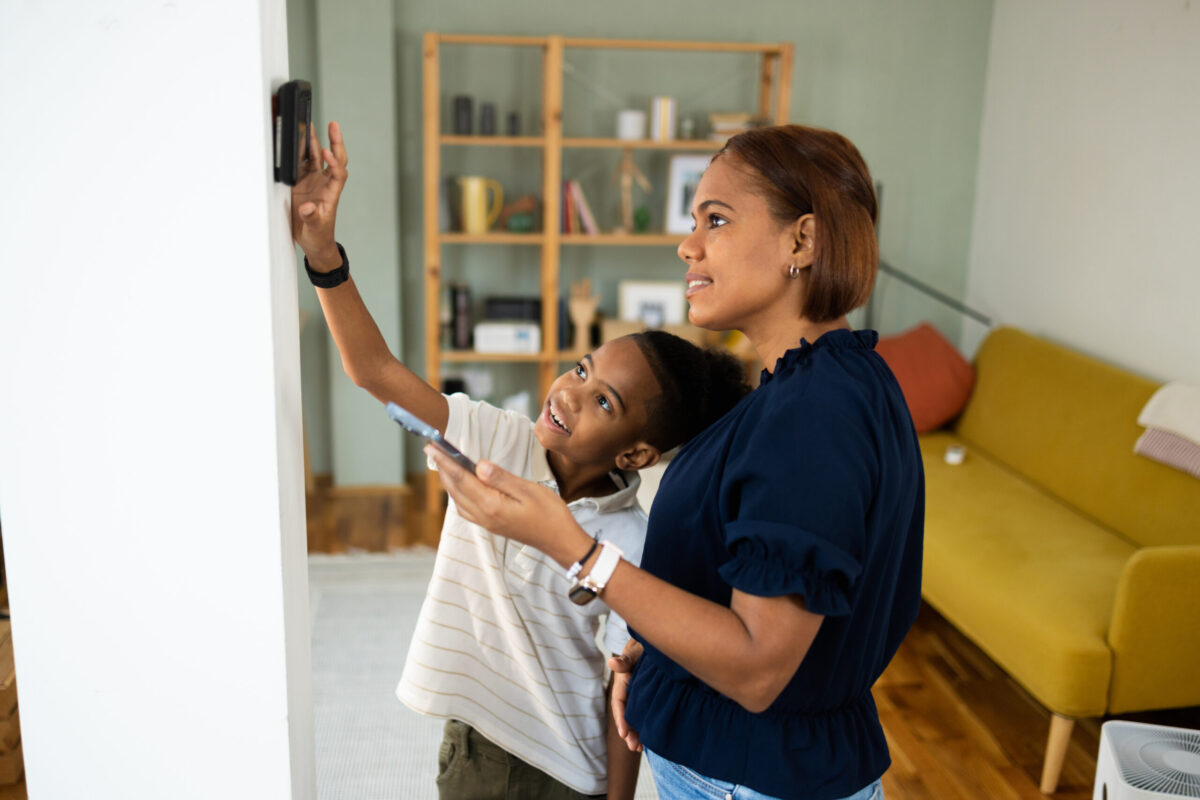
Leaving kids home alone for the first time feels like a milestone. It can also reveal how many small systems in a house most adults manage automatically. The water shut-off. The furnace room. The sound of a carbon monoxide alarm. What to do if someone knocks at the door.
The good news is this: you can walk through the essentials in under an hour. A calm, structured tour of your home builds confidence and reduces panic if something unexpected happens. A short verbal refresher every few months, even while driving somewhere, keeps it fresh.
Below is a practical home safety checklist Toronto families can use to prepare kids to stay home alone safely. Start with the checklist. Then review the short explanations underneath. For additional topics and depth, check out the City of Toronto “At Home Alone” Handbook.
Quick Home Safety Checklist Toronto
Emergency Contacts
□ Emergency numbers are clearly posted
□ Kids know when to call 911
□ Parents’ cell numbers are saved and written down
□ A trusted neighbour or nearby adult is identified
□ Kids know what address to give in an emergency
□ Kids know how to unlock the door safely for responders
Water Basics
□ Kids know where the main water shut-off valve is
□ They can identify sink and toilet shut-off valves
□ They know what a serious leak looks like
□ They know what to do if a toilet overflows
□ They understand when to turn off water first and call second
Fire and Smoke
□ Kids know what to do if a smoke alarm goes off
□ They know two ways out of main rooms
□ They can operate egress windows
□ There is a clear outdoor meeting spot
□ They understand never to re-enter the house
Carbon Monoxide and Gas
□ Kids recognize the sound of the CO alarm
□ They know to leave immediately if it sounds
□ They understand not to ignore a gas smell or alarm sound
□ They know to call from outside the home
Kitchen and Stove Safety
□ Kids know never to use water on a grease fire
□ They know where the fire extinguisher is
□ They understand when to turn off the stove and step back
□ They know to call for help rather than “fixing” a fire
□ They clearly understand what they are allowed to prepare and which appliances they are not permitted to use without supervision
Doors, Calls, and Security
□ Kids do not open the door for strangers
□ They have a simple script if someone knocks
□ They understand how the alarm system works
□ They know what to do if the alarm is triggered accidentally
□ They know not to post online that they are home alone
Power and Mechanical Basics
□ Kids know where the electrical panel is
□ They can identify a tripped breaker
□ They know where flashlights are stored
□ They know what to do in a power outage
Walking Through the Checklist in Under an Hour
You do not need to turn this into a lecture. Walk through the house together.
Show them. Let them touch the valves. Let them open a window. Let them hear the difference between a smoke alarm and a CO alarm if you can safely test them.
Here is how to approach each area.
Emergency Contacts
Make sure your home address is posted somewhere visible. In a stressful moment, even older kids can forget it.
Explain clearly when to call 911. Fire, smoke that cannot be explained, a CO alarm, serious injury, or an active break-in. Make it simple: if you are unsure and feel unsafe, call first.
Also identify one trusted neighbour nearby. That reduces hesitation.
Water Shut-Offs and Leaks
Show them the main water shut-off valve in the basement or utility area. Explain that if water is spraying, flooding, or pouring through a ceiling, they do not need permission. Turn it off immediately, then call you.
Show them the small shut-off valves under sinks and behind toilets. A simple toilet overflow can cause thousands of dollars in damage if no one knows what to do.
This is one of the most practical parts of any home safety checklist Toronto homeowners can review with their kids.
Fire, Smoke Alarms, and Exits
Explain that if a smoke alarm goes off and they are unsure why, they leave the house first and call from outside. You would rather be inconvenienced than unsafe.
Walk through two exit paths from main rooms. Make sure windows that are intended for escape actually open. If you have egress windows in the basement, practice opening them.
Choose a clear meeting spot outside the home.
Carbon Monoxide and Gas
Carbon monoxide is silent and invisible. If the CO alarm sounds, the rule is simple: leave immediately and call from outside.
If anyone smells gas, they leave. No searching for the source. No flipping switches.
Make sure kids know where the furnace room is, but this is about awareness, not repair.
Kitchen and Small Fires
Most kitchen incidents start small. Reinforce two rules:
Never throw water on a grease fire.
If something flares up and they are unsure, turn off the stove and step back.
Show them where the fire extinguisher is and explain that calling for help is never the wrong choice.
Doors, Calls, and Security
Give them a script they can use without thinking:
“My parents are not available right now.”
No additional information. No confirming they are alone.
Review how your alarm system works. Show them what happens if it is triggered and how to call you calmly if it beeps or sounds unexpectedly.
Electrical Panel and Power Outages
Show them the electrical panel. Point out what a breaker looks like when it is tripped. Explain that they should not experiment. If lights go out in one area, call you.
Show them where flashlights are kept. Avoid relying only on phone flashlights.
Refreshers and Confidence
Once you walk through this once, you can refresh it casually. Ask simple questions in the car.
“What would you do if the toilet overflowed?”
“What sound does the CO alarm make?”
“Where is our meeting spot?”
This builds calm confidence rather than fear.
Home Safety Beyond the Checklist
Preparing kids to stay home alone builds practical awareness that serves every homeowner. Clear exits, working alarms, knowing where shut-offs are, and understanding basic situations aren’t just “kid skills”. They’re part of a safer home for everyone.
If you’re unsure where your main water shut-off is, want help checking that alarms are placed and working correctly, or want to make sure nothing is overlooked in your home’s systems, we offer practical home safety assessments and handyman support. Based in North York, serving homeowners in Toronto, Vaughan and Richmond Hill, our trained, insured team can help you get confidence in your home’s safety.
For more structured preparation tips and checklists from a trusted public resource, check out the City of Toronto “At Home Alone” handbook and guidance, which walks families through readiness questions and safety topics in detail.
Reach out anytime via phone 416-894-1137 or our contact page.
Reliable help. Right at home.
About the Author
Jesse Black-Allen is the founder of Good Company, a North York-based home safety and accessibility specialist serving Toronto, Vaughan, and Richmond Hill. He helps families and homeowners improve safety, functionality, and peace of mind through practical home assessments and professional handyman support.