
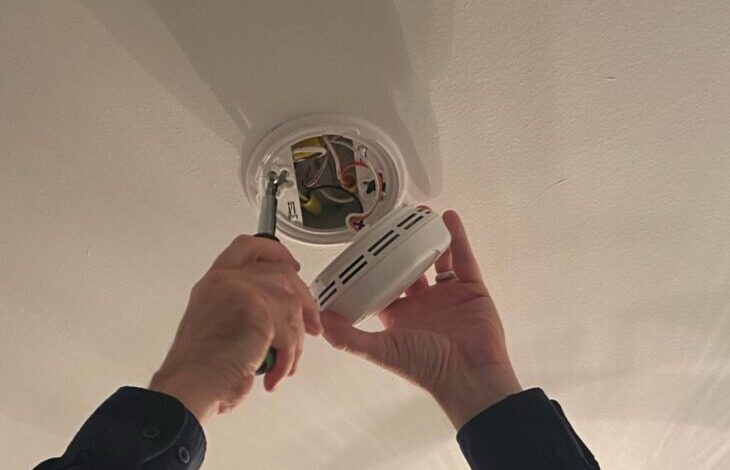
Smoke detector installation is one of the simplest upgrades that can make a huge difference in home safety. In the city of Toronto and across Ontario law requires that all homes have working smoke alarms on every storey and outside sleeping areas. This applies to detached houses duplexes and other residential properties. Working smoke alarms give you and your family the early warning you need to escape safely if a fire starts.
In this article you will learn the key requirements for smoke detector installation in Toronto where alarms should be placed and practical tips to make sure your system is up to code and working as intended.
Why Smoke Detector Installation Matters in Toronto
Fires can spread rapidly and often occur while people are asleep. Data from Toronto Fire Services shows that a significant number of house fires happen in homes without working smoke alarms. Having properly installed smoke detectors dramatically increases the time you have to respond and escape safely.
According to the Ontario Fire Code smoke alarms must be installed in accordance with provincial regulations. Not having required alarms or having alarms that are non-functional can expose homeowners to legal risk and, more importantly, increases the danger for occupants.
What the Law Requires for Toronto Homes
Under the Ontario Fire Code and related provincial building standards:
• Every home must have at least one working smoke alarm on each storey of the home.
• A smoke alarm must be located outside all sleeping areas.
• Alarms must be tested monthly and maintained in operating condition.
• Replace smoke alarms that are more than 10 years old or that fail tests.
See https://www.ontario.ca/page/fire-safety-home
This applies to single-family homes townhouses and most residential properties. These rules are intended to ensure early detection of fire no matter where it starts in the home and to give occupants enough time to evacuate safely.
Where to Install Smoke Detectors
Here are the general placement guidelines for smoke detector installation:
On Every Storey of Your Home
Smoke detectors must be installed on every level of your home whether or not there are bedrooms on that level. This includes basements and finished attics.
Outside Sleeping Areas
Place a smoke alarm in the hallway or common space outside bedrooms. Because fires often start at night this ensures people sleeping in separate rooms are alerted early.
Close to Bedrooms and High-Risk Zones
It is also recommended to install detectors inside bedrooms especially if doors are usually closed at night. Because smoke rises these alarms are most effective near the ceiling or high on walls following manufacturer instructions.
Types of Smoke Alarms
There are a few common types of smoke alarms you will encounter:
Battery-Powered Units
These are often the simplest to install and are suitable for many homes especially where hardwiring is not available.
Hardwired Units
Homes built after certain dates may have hardwired alarms that run off house power with a battery backup. If your home has hardwired alarms they are often required to remain hardwired when replaced.
Combination Units
Some modern alarms detect both smoke and carbon monoxide. While this article focuses on smoke alarms consider talking with a professional about combined units if your home has fuel-burning appliances such as a furnace or hot water heater.
Common Mistakes to Avoid
Here are a few things homeowners often miss when installing smoke detectors:
• Placing alarms too close to bathrooms windows or vents where false alarms can occur.
• Not putting alarms high on the ceiling where smoke will reach them first.
• Using expired units older than ten years.
• Ignoring monthly testing and battery changes.
What Homeowners Should Do Next
- Check how many alarms your home has and whether they meet the legal requirements for every storey and outside sleeping areas.
- Test every alarm monthly by pressing the test button.
- Replace units older than 10 years or those that fail to sound during testing.
- Follow manufacturer instructions for proper mounting location and power source.
- Consider a professional home safety assessment to identify any gaps in your smoke detector setup or other safety upgrades. For example see our post on helping aging parents stay safe at home for more ideas.
Final Thought
Smoke detector installation in Toronto is more than a compliance task it is a fundamental part of keeping your family safe. By following provincial requirements and thoughtful installation practices you can ensure your home is ready for emergencies and give yourself peace of mind.
If you want help checking your smoke alarm setup or updating it to meet current standards contact us to schedule a safety visit and review all your detectors and alarms.
About the Author
Jesse Black-Allen is the founder of Good Company, a North York-based home safety and accessibility specialist serving Toronto, Vaughan, and Richmond Hill. He helps families and homeowners improve safety, functionality, and peace of mind through practical home assessments, home maintenance, and home improvements.